Last fall, I watched a woman sprint through Denver International Airport in stiff jeans, a sweater that shed fuzz everywhere, and boots that looked like a personal feud. She was traveling, technically. She was not comfortable. The best travel clothes let you move, sit, layer, eat airport snacks, and arrive looking like yourself rather than a crumpled carry-on.
After seven years buying contemporary clothing for Nordstrom, I have seen thousands of garments up close. I know which fabrics recover after a six-hour flight and which ones look tired before the safety demonstration ends. Good travel clothes are not a separate personality or a beige uniform. They are simply pieces with useful fabrics, forgiving fits, and enough polish for whatever happens after you land.
Start with the actual itinerary
Before buying anything, picture the trip instead of an imaginary version of yourself on vacation. A weekend in New York calls for different travel clothes than a road trip through Utah or a work conference in Chicago. Write down the likely conditions: walking, weather changes, dinners, hotel lounging, public transit, and whether laundry is available.
For a three-day city trip, I usually want one comfortable trouser, one dark jean or pull-on pant, three tops, one light layer, one weatherproof layer, and shoes that can handle real pavement. That small formula creates several outfits without requiring a suitcase the size of a dorm room. For a warmer destination, replace the sweater with a linen-blend shirt and add a washable dress. For a cold trip, build around thin layers rather than one enormous coat.
The point is not owning fewer clothes for moral credit. It is choosing pieces that earn their space. A $90 pant worn four times on one trip costs $22.50 per wear before it joins your regular wardrobe. A $180 pair worn twice because the waistband digs in is a poor bargain, even if the fabric is technically luxurious.
Fabrics that survive a travel day
The most useful travel clothes resist wrinkles, dry at a reasonable speed, and do not trap every crumb from the airport lounge. Look for ponte, washable merino, Tencel, nylon blends, cotton poplin with a little stretch, and lightweight performance fabrics that do not look like gym gear. A fabric blend is not automatically better, but a small amount of elastane can make sitting for hours much more pleasant.
Merino is particularly handy because it regulates temperature and tends to resist odor. Brands such as Uniqlo, Quince, Icebreaker, and Smartwool offer different versions at different prices. A $70 merino tee can make sense if you wear it on flights, under jackets, and on ordinary weekends. I would skip anything labeled wrinkle-free if it feels plasticky or makes that loud swishing sound when you walk. Marketing cannot fix a bad hand feel.
For pants, test the fabric before leaving the store. Sit down for five minutes. Put your phone and keys in the pockets. Stand up and check whether the knees have ballooned. Everlane, Athleta, Madewell, and Eileen Fisher often have useful options, though each brand fits differently. Travel clothes should feel easy at the waist without sliding down when you climb stairs.
Build an outfit around one reliable bottom
A great travel outfit usually starts with a bottom you already trust. That might be straight-leg black pants, wide-leg ponte trousers, dark denim, or a midi skirt with an elastic back. There is no universal flattering shape here; there is only the shape that lets you walk, sit, and feel at home in your body.
I like a straight or gently wide trouser in navy, black, olive, or charcoal because it works with sneakers and a nicer loafer. A dark jean is useful when the destination is casual, but choose denim with enough recovery that it does not become a belt-tightening project by hour four. Brands like Liverpool, NYDJ, and Levi's offer many fits, so try the exact cut rather than trusting the label alone.
Then add tops with distinct jobs. A striped cotton tee handles coffee and sightseeing. A silky-looking blouse makes the same pants suitable for dinner. A thin cardigan gives you an extra temperature layer without taking over your personal space. That is the kind of repeatable outfit logic that makes travel clothes feel practical instead of fussy.
Shoes and layers deserve the suitcase space
Shoes are where many packing plans collapse. One pair should be genuinely walkable, not merely attractive beside a hotel mirror. Test them on an ordinary day before a trip. If they cause rubbing at home, a vacation will not magically improve their character.
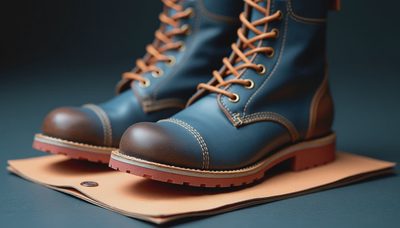
A clean leather sneaker from brands such as Veja, Adidas, or New Balance can cover flights and sightseeing. A loafer or low-profile boot adds polish for dinner, while a compact sandal handles warm-weather trips. Wear the bulkiest pair on the plane and pack the lighter pair in a shoe bag. Two useful pairs are usually better than four optimistic ones.
Layers should solve temperature problems without creating luggage problems. A denim jacket, packable down vest, cardigan, or unlined blazer can each change an outfit. For rain, a lightweight shell from Patagonia, Outdoor Research, or Columbia is more useful than a decorative jacket that cannot handle a drizzle. Keep a scarf in your personal item; it can serve as a blanket, neck layer, or emergency pillow cover.
A simple packing system that works
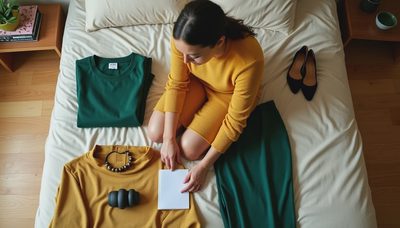
Lay everything on the bed before putting it in the suitcase. Create three outfit groups: transportation, daytime, and evening. If a piece cannot work in at least two groups, question its place. This does not mean every outfit must look identical. It means your burgundy blouse should work with both pants, and your cardigan should work over more than one top.
Roll soft knits and tees, fold structured pieces, and use packing cubes by category rather than by day. A small laundry bag keeps worn items separate. Pack a travel-size stain remover, a few safety pins, and a spare pair of tights or socks. Those inexpensive supplies can rescue a $150 outfit after a coffee spill.
For longer trips, plan one laundry moment instead of packing fourteen days of clothing. A sink wash with mild detergent handles underwear, tees, and thin layers. Choose pieces that dry overnight. Heavy cotton and delicate embellishment are less helpful when your only drying surface is a hotel towel rack.
What to buy before your next trip
If your closet needs an upgrade, start with the piece causing the most trouble. If you are always uncomfortable on flights, buy a softer pant before another statement jacket. If you arrive wrinkled, replace one troublesome blouse with a washable knit. If your shoes hurt, solve that problem before purchasing a new weekender bag.
I would spend $60 to $140 on a dependable bottom, $30 to $90 on a versatile top, and more on shoes only when the construction supports regular wear. Check seams, pocket placement, lining, zipper quality, and care instructions. A garment that requires dry cleaning after every trip is not especially convenient, no matter how sleek it looks online.
The best travel clothes are the ones you stop noticing halfway through the day. They handle the airport, the sidewalk, the restaurant, and the unexpected weather change while leaving your attention available for the actual trip. Pack the pieces that give you options, not anxiety. Wear it and go.

No notes yet — write the first one.