Last November, I stood in a Denver fitting room wearing three nearly identical black sweaters and texting photos to myself. One was $48, one was $118, and one was $198. The cheapest looked fine until I lifted my arms. The middle-priced one had a better neckline and springier knit. The expensive one was beautiful but too delicate for the life I actually lead. That little experiment is the heart of buying basics that last: you are not hunting for the highest price tag. You are looking for useful clothes with good materials, sound construction, and enough personality to get worn.
Start with the job, not the fantasy
Before buying a white shirt, cardigan, blazer, or pair of jeans, name the job it needs to do. Will it survive a commute, a dog walk, school pickup, or six hours in a chilly office? A garment that only works with one pair of shoes is not a versatile basic, no matter how polished it looks on a retailer's website.
I like to write down three outfits before purchasing a supposedly foundational piece. For example, a navy merino sweater should work with straight-leg denim and sneakers, wide-leg trousers and loafers, and a skirt with boots. If I cannot build those combinations from clothes already in my closet, I am probably shopping for an idea rather than solving a wardrobe problem.
Buying basics that last also means accepting that your real life gets a vote. Denver weather can move from bright and mild to cold by dinner, so a lightweight layer often earns more wear than a dramatic coat. A parent who spends mornings outside may value washable fabric more than a dry-clean-only finish. The best purchase is the one that fits your Tuesday, not just your imagined vacation.
Read the fabric label like a buyer
I spent seven years looking at garments up close for Nordstrom, and the label tells a more useful story than the front-of-store styling. For sweaters, merino wool, cotton, alpaca blends, and cashmere can all be worthwhile, but fiber content is only the beginning. Check the knit density, recovery, and hand feel. Pull the fabric gently. If it stretches into a shiny, thin patch and stays there, it may not hold up well.
For everyday tops, cotton with a little elastane can offer comfort and recovery. Linen wrinkles, but that is not a defect; a well-made linen shirt can become one of the hardest-working pieces in a warm-weather closet. Look for sturdy buttons, clean seams, and a collar that sits flat. Polyester is not automatically bad, either. A good technical blend can resist wrinkles and washing better than a poorly finished natural fiber.
The useful question is not, “Is this fabric expensive?” It is, “Does this fabric suit the job?” Buying basics that last requires matching performance to wear. A silk blouse may be lovely for occasional dinners, while a cotton poplin shirt handles weekly rotation with less ceremony.
Inspect construction before you fall in love
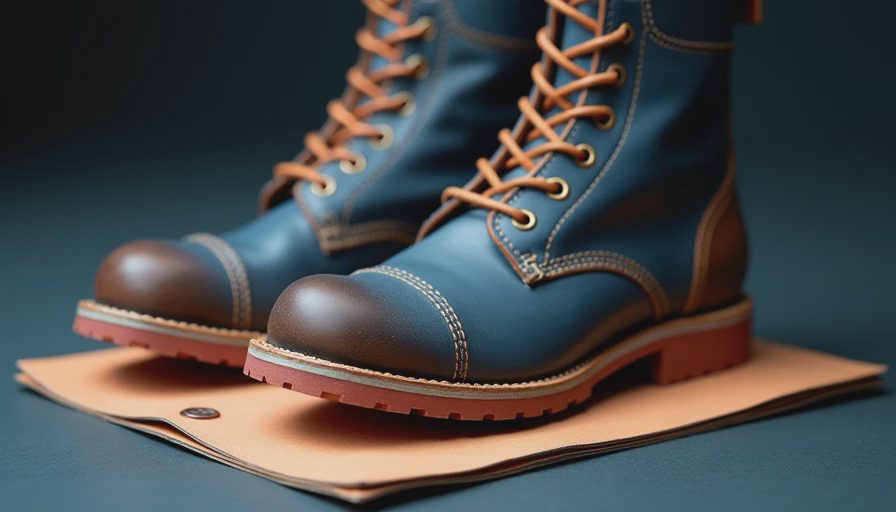
Turn the garment inside out. This is the part where my former-buyer habits become slightly annoying, but it works. Seams should lie flat without puckering. On pants, inspect the seat seam and belt loops, where stress appears first. On jackets, check that the lining does not pull when you sit. On shoes, look at the edge where the sole meets the upper and make sure the finish is even.
A $90 pair of jeans with balanced stitching and a comfortable waistband can outperform a $220 pair that requires constant tugging. A $140 blazer with a partial lining may be perfectly practical, while an unlined version at $300 could wrinkle before your first meeting. Price can reflect fabric, labor, branding, or all three. It does not guarantee durability.
Buying basics that last is often about small details: reinforced pockets, secure snaps, a zipper that glides without catching, and hems that can be altered. Try sitting, reaching, and walking several steps. If a button gap appears or the shoulder seam slides backward, do not negotiate with yourself in the fitting room. The garment is giving you information.
Do the cost-per-wear math
You do not need to buy only inexpensive clothes. You need to understand what you are paying for. If a $60 sweater gets worn four times, its current cost per wear is $15. If a $160 sweater becomes a weekly favorite for two years, even 60 wears brings that number below $3. A $300 coat worn 100 times costs $3 per wear, which is often a better deal than three $100 coats you avoid because they feel wrong.
I keep a cost-per-wear note on my phone for purchases over $100. My black leather ankle boots were $185 and have crossed the $2-per-wear mark after several winters. A trendy jacket that cost $110 and left the closet after five outings was not a bargain. The math does not need to be perfect; it simply reveals whether excitement is doing all the shopping.
Buying basics that last becomes easier when you calculate the likely frequency of use. A cream sweater worn twice a week deserves more scrutiny than a special-occasion top worn twice a year. Consider care costs, tailoring, and replacement accessories too. A $25 hem can turn an almost-right pair of trousers into a dependable one.
Shop brands for strengths, not loyalty
Every label has misses. Everlane can be useful for straightforward staples, Uniqlo often does practical layering pieces well, and Madewell is a sensible place to inspect denim and casual shirts. J.Crew, Quince, Alex Mill, COS, and Banana Republic each offer different strengths at different price points. None deserves an automatic purchase simply because the name is familiar.
Read recent customer reviews for recurring issues rather than one dramatic complaint. Search for comments about pilling, shrinkage, sizing changes, or color transfer. Look at garment measurements, not just small, medium, and large. A reliable return policy matters because durability cannot be judged from a product photo.
Buying basics that last does not require building a closet around one brand. In fact, a mixed wardrobe is usually smarter. Spend more on the item you wear constantly, buy selectively at midrange stores, and save on low-stakes pieces that will not face much friction. That is not a fashion rule. It is just reasonable budgeting.

Use a short buying checklist
When I am deciding in a store or with an online cart open, I run through these questions:
- Can I name at least three outfits using clothes I already own?
- Does the fabric feel appropriate for the amount of wear I expect?
- Are the seams, closures, and hems finished neatly?
- Can I wash or maintain it without creating a weekly chore?
- Will I still reach for it when the novelty wears off?
- Does the price make sense against likely wears and tailoring costs?
This checklist is deliberately boring. Boring is useful when a beautiful sale banner is shouting at you. Buying basics that last should feel less like winning a race and more like making a calm decision you will appreciate six months from now.
You also deserve room for delight. A practical closet does not mean every item must be beige, anonymous, or approved by an imaginary minimalist committee. Choose the red loafers, striped sweater, or excellent green jacket if it genuinely fits your life. Just apply the same inspection before paying. Good style is not about removing pleasure; it is about spending your money where pleasure and wear can coexist.
The goal is simple: clothes that let you get dressed without a debate. Check the label, test the construction, do the math, and leave anything that makes you work too hard. Wear it and go.


No notes yet — write the first one.