Last Tuesday, I changed outfits three times before taking Scout out for a rainy walk in Denver. The problem was not a lack of clothes. It was that too many pieces only worked under laboratory conditions: dry weather, the right shoes, no dog hair, and somewhere to sit that was not a brewery patio. The best stylist-approved wardrobe staples solve that problem. They make getting dressed easier on a regular Tuesday, not just in a carefully lit mirror selfie.
After seven years buying contemporary clothing for Nordstrom, I have handled thousands of garments. I know which fabrics relax after lunch, which waistbands become personal enemies, and which $40 shirt looks better after two years than a $180 trend piece. These are the purchases that support a real wardrobe: useful, comfortable, repeatable, and still attractive when life gets messy. Wear it and go.
Start with the pieces you reach for without thinking
The first category of stylist-approved wardrobe staples is not glamorous. It is the reliable base layer: a good white or ivory T-shirt, a dark straight-leg jean, a washable knit, and a simple button-front shirt. These pieces should work with at least three items already in your closet. If a shirt only looks right with one specific skirt and a particular bra, it is not doing enough work.
For T-shirts, look at the neckline and recovery. A cotton-modal blend from brands such as Madewell, Everlane, or Pact often has more softness than a very thin 100 percent cotton jersey, while a heavier tee from Buck Mason can hold its shape beautifully. You do not need to spend $70. A $25 shirt worn twice a week for a year can land near 24 cents per wear before laundry, which is a better investment than a $90 shirt that stays folded because it wrinkles while you look at it.
The jean test is equally practical. Sit down, walk, and bend your knees in the fitting room. A little stretch is useful; a waistband that rolls or pinches is information, not a challenge to your body. Stylist-approved wardrobe staples should accommodate your day as it is.
Buy the jacket for your actual calendar
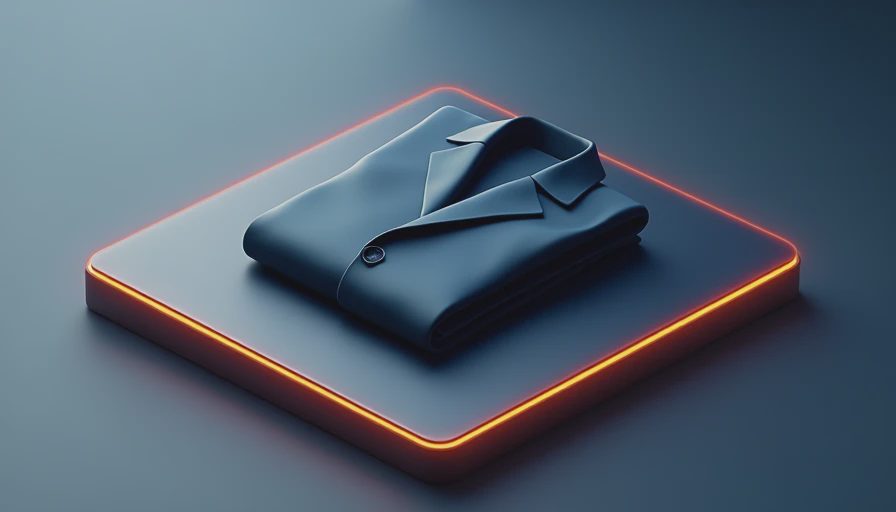
A blazer is often described as a magic item, but not every blazer deserves the title. The best stylist-approved wardrobe staples include an easy jacket that matches your life. If you commute by car and spend weekends at coffee shops, an unstructured knit blazer may be more useful than a sharply tailored wool jacket. If you work in a formal office, look for clean shoulders, a lining that moves, and sleeves that finish near the wrist bone.
Navy, charcoal, camel, and a soft olive are usually easier to repeat than a seasonal color. Brands including J.Crew, Quince, COS, and Banana Republic offer different price points, but construction matters more than the label. Check whether the pocket openings lie flat, whether the buttons are securely attached, and whether the fabric springs back after you gently scrunch it.
Here is my cost-per-wear reality check. A $160 jacket worn twice a month for two years costs roughly $3.33 per wear, before counting extra use during travel or cooler evenings. That is a reasonable purchase if it replaces three weaker jackets. A $500 jacket can also make sense, but only when the cut, fabric, and frequency of use justify it. Price is not proof of quality; repeated wear is.
Choose shoes that can survive a full day
Shoes decide whether an outfit is actually wearable. Among stylist-approved wardrobe staples, the most valuable pair is often a polished flat, low-profile sneaker, or low block heel that can manage errands and a meal afterward. I look for a cushioned footbed, a flexible sole at the ball of the foot, and enough room for toes to spread naturally. A beautiful shoe that makes you limp is an expensive decoration.
Try shoes on late in the day, when feet are more likely to be swollen. Wear the socks or tights you expect to use. Leather loafers from Sam Edelman, Nisolo, or Madewell can soften with wear, while brands such as Vionic and Naturalizer often focus more directly on comfort features. None of those labels guarantees a fit, so let your feet make the decision.
A neutral sneaker does not have to be bright white. Cream, gray, navy, and gum soles can be less fussy, especially if you walk through snow or gravel. The point is not to create a perfect capsule wardrobe. It is to own shoes you will happily put on when you are already five minutes late.

Add one layer that handles temperature swings
Denver weather can move from sunny to cold before you finish a pottery class, but temperature swings happen everywhere. A washable cardigan, merino crewneck, denim jacket, or lightweight quilted layer earns its place when it solves a specific problem. The strongest stylist-approved wardrobe staples are easy to carry, easy to combine, and not precious about a little friction.
When shopping for knitwear, inspect the fiber content and the seams. Merino wool is warm without feeling bulky, cotton is practical for transitional weather, and a small amount of nylon can improve durability. Acrylic is not automatically bad, but a fuzzy sweater that pills in the store will not become more refined at home. Run your hand over the surface, stretch the cuff, and check how quickly it recovers.
A cardigan in a medium weight can replace a blazer for casual offices and make a dress useful through more seasons. Look for a length that works with your trousers and does not fight every high-rise waistband. The right layer should disappear into the outfit rather than announce that you needed an extra layer.
Let accessories do the updating
Accessories are where I prefer to spend less often and think more carefully. A leather or sturdy faux-leather belt, medium tote, small crossbody, and simple metal earrings can make familiar clothing feel intentional. These are stylist-approved wardrobe staples because they change the combination without requiring a new personality or a whole new closet.
For a bag, examine the weight before buying. Hardware, thick straps, and unnecessary compartments can turn a practical tote into something you resent carrying. Measure the opening against your actual essentials: phone, wallet, sunglasses, keys, and perhaps a water bottle. A $65 crossbody used four days a week for two years can cost well under $1 per wear, while a $250 statement bag used twice may not offer the same value.
Do not underestimate color. A burgundy bag, tortoiseshell frame, or blue scarf can wake up jeans and a sweater without forcing you into a trend. You do not need designer accessories to look finished. You need a few pieces that connect the clothes you already own.
A simple buying check before you pay
Before purchasing another item, ask five plain questions. Can you name three outfits using clothes you already own? Can you sit, walk, reach, and breathe comfortably? Will the care instructions fit your routine? Does the fabric look and feel better than a cheaper option? Would you still want it if it were not currently featured in a sale email?
Then consider the gap it fills. Maybe your wardrobe lacks a layer for office air conditioning, a top that works under overalls, or trousers that survive travel without ironing. That answer is more useful than a vague feeling that your closet needs something new. Stylist-approved wardrobe staples should have a job before they come home.
I keep a note on my phone for purchases over $100 and divide the price by the number of times I expect to wear each piece. A $120 pair of pants worn 40 times costs $3 per wear. If the pants also work with sneakers, loafers, boots, and two jackets, the math improves quickly. This is not a moral scorecard; it is simply a way to stop buying hopeful clothes.
The goal is not a tiny closet or a uniform. It is a wardrobe that gives you options when your body, schedule, weather, or mood changes. Choose the T-shirt that stays comfortable, the jeans that let you sit, the jacket that fits your calendar, and the shoes you can walk in. Those are stylist-approved wardrobe staples in the only sense that matters: they help you get dressed and get on with your day.


No notes yet — write the first one.