Last Saturday, I stood in my Denver bedroom wearing one boot, a soft gray cardigan, and the expression of a woman who had opened too many tabs about 2026 fashion trends. Scout was watching me from the rug. James was asking whether we were still going to the brewery. That, honestly, is the test: can a trend get you dressed for an actual day, or does it require a fantasy schedule and a garment steamer?
After years buying contemporary clothing at Nordstrom, I have a fairly strong opinion about seasonal predictions. The useful ones help you shop your own closet. The noisy ones make you feel late, spend $180, and wonder why the item still has its tags in October. These 2026 fashion trends are worth watching because they have practical roots: better proportions, interesting texture, and pieces that can survive work, errands, dinner, and the occasional muddy trailhead.
The new shape: relaxed, but not shapeless
One of the clearest 2026 fashion trends is a move toward clothes with room through the body and intention at the edges. Think softly tailored trousers, longer jackets, straight-leg denim, and button-down shirts that do not cling at the first button. This is not an invitation to disappear inside fabric. It is permission to choose ease without treating your body as a problem to solve.
A good starting combination is a fitted tank or fine knit with pleated trousers and a cropped jacket. The contrast keeps the outfit from looking like pajamas while allowing you to sit, walk, and eat lunch comfortably. Madewell, Everlane, J.Crew, and COS often offer versions of this proportion at different prices. Look for a waistband that lies flat, a trouser fabric that does not turn shiny at the seat, and sleeves that end near the wrist bone.
If you buy one roomy piece, buy the trousers first. A $110 pair worn twice a week for six months costs roughly $2.12 per wear before laundry. That is better math than a dramatic top you wear once for a photo.
Color is getting warmer and easier
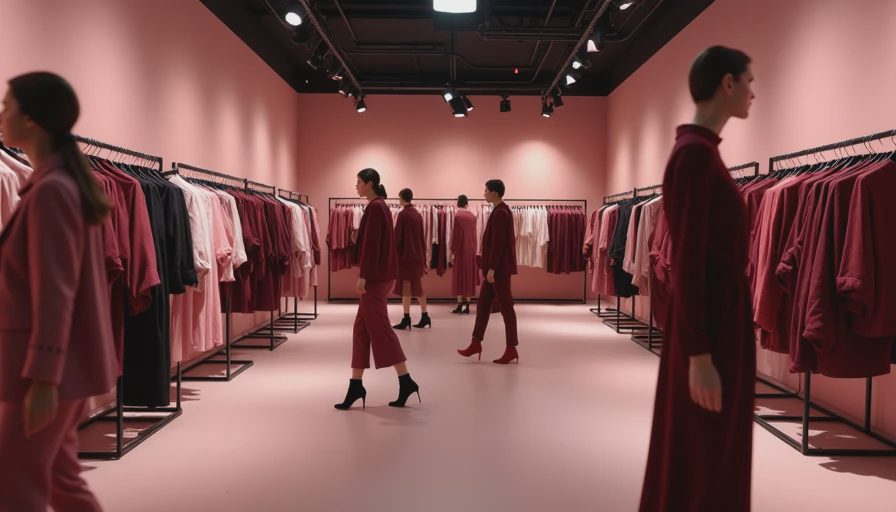
The color story in 2026 fashion trends is less about one mandatory shade and more about a useful shift away from endless black, white, and cool beige. Butter yellow, tomato red, soft olive, dusty blue, and rich chocolate are showing up as approachable ways to add life to a wardrobe. You do not need a red suit. A cherry-colored ballet flat, knit, scarf, or handbag can do the job without requiring a personality transplant.
My favorite pairing is chocolate brown with pale blue. It feels current but not costume-like, especially with medium-wash jeans and a simple leather belt. Olive works beautifully with cream, denim, and burgundy. Butter yellow is easiest when treated like a neutral: wear it with gray, navy, or tan instead of stacking it with every other bright shade.
Before buying color, check what is already hanging in your closet. If you own mostly navy and denim, a warm red accessory will earn more wears than another neutral sweater. A $35 scarf worn 20 times is a more successful purchase than a $95 color trend that only works with one outfit.
Texture does the styling for you
Another important part of 2026 fashion trends is tactile clothing: suede, washed leather, brushed wool, crochet, corduroy, and slightly crinkled cotton. Texture gives a simple outfit enough interest without adding complicated layers. A white tee, dark jeans, and a suede jacket can look finished because the materials are doing some of the talking.
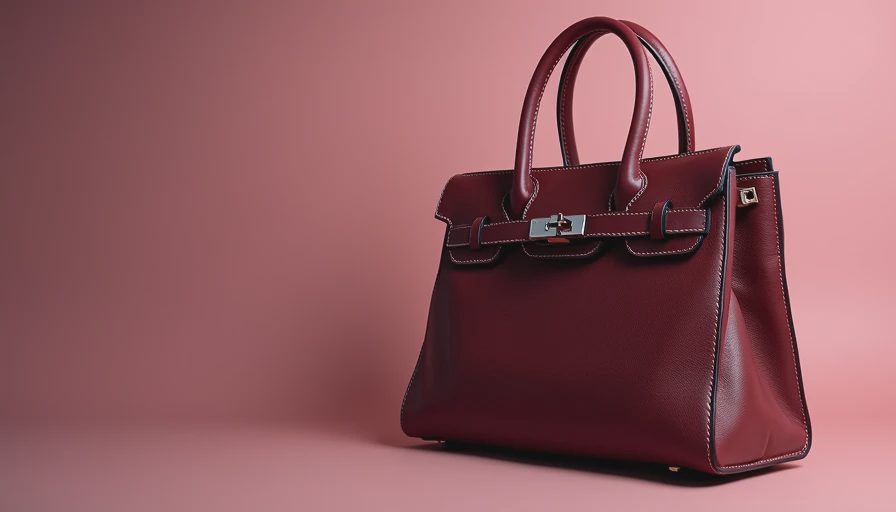
You do not have to spend luxury money here. Faux suede can be perfectly pleasant for a bag or overshirt, while a real leather belt is often worth the upgrade because it takes daily abuse. For sweaters, inspect the fiber blend and the seams. A $70 cotton-wool blend with reinforced shoulder seams may outperform a $220 novelty knit that pills after three wears.
There is one practical warning: texture needs maintenance. Suede dislikes surprise snow, which is relevant if you live in Denver. Corduroy collects lint. Boucle can catch on a dog leash. None of that makes these materials off-limits; it simply means you should choose the right item for your life. A textured tote is lower-risk than pale suede pants on a week filled with commuting and coffee.
Shoes are becoming the smartest update
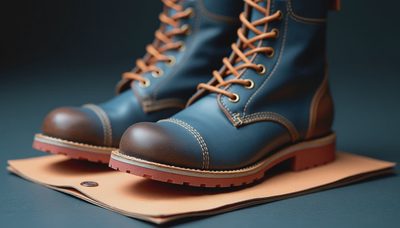
Among the most wearable 2026 fashion trends, footwear deserves special attention. Slim sneakers, low-profile loafers, square-toe flats, and boots with a moderate heel are replacing the idea that every outfit needs either a towering platform or a completely athletic shoe. The goal is a shoe that changes the line of an outfit while letting you walk more than six blocks.
A loafer with a slightly substantial sole works with straight jeans, trousers, and midi skirts. A slim retro sneaker brings a dress down to earth. Brands such as Sam Edelman, Vagabond, Adidas, and New Balance cover different budgets and comfort preferences, but the label matters less than the fit. Check whether your heel slips, whether your toes can spread, and whether the sole bends where your foot bends.
If you are choosing between two pairs, calculate cost per wear before admiring the packaging. A $160 loafer worn 80 times costs $2 per wear. A $65 novelty shoe worn twice costs $32.50 per wear, which is not the bargain the sale sticker promised.
The pieces I would actually add
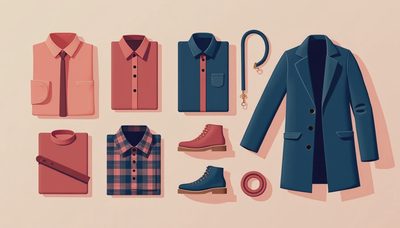
The most useful 2026 fashion trends can be translated into a short shopping list. Start with a relaxed trouser in charcoal, navy, or brown. Add a textured jacket that works over denim and dresses. Consider one accent color in a small item rather than a full outfit. Then look for a shoe with a clean shape and enough support for your normal day.
A secondhand search is especially smart for leather jackets, wool coats, and structured bags. The RealReal, Poshmark, local consignment stores, and neighborhood resale groups can turn a trend into a $40 find instead of a $400 impulse. Inspect lining, zippers, cuffs, and underarm areas before purchasing. For washable knits and cotton shirts, sales at Gap, Uniqlo, Quince, and Banana Republic Factory can be useful, provided the fabric and fit earn their place.
The 2026 fashion trends conversation should never outrank your calendar. If you work from home, commute by train, chase children, walk a dog, or spend weekends in hiking boots, your clothes need to accommodate those facts. A garment is not more stylish because it makes your day harder.
How to try a trend without regretting it
Use a three-step fitting-room test. First, wear the item with two things already in your closet. If it only works with the matching pieces from the same collection, pause. Second, sit, reach, walk, and check the back view. The mirror only shows one angle and has never carried groceries. Third, ask whether you would wear it on an ordinary Tuesday, not just to a hypothetical event.
This is where 2026 fashion trends become useful rather than stressful. Borrow the proportion, color, texture, or shoe shape that speaks to you, then adjust it for your budget and routine. You can buy a $25 scarf, tailor a $90 trouser, or wear the trend through a cardigan you already own. There is no prize for being first, and no penalty for skipping a look that feels like work.
My own edit is simple: relaxed trousers, a warm accent color, one good textured layer, and comfortable shoes with a little personality. That gives you plenty of outfit combinations without turning your closet into a seasonal storage unit. Wear it and go.
No notes yet — write the first one.