Last July, I wore a linen button-down to a brewery patio in Denver and watched it crease before my first sip arrived. I still loved the shirt. That is the honest starting point for linen vs cotton: neither fabric is perfect, and the better choice depends on how you want your clothes to feel, look, and behave after a full day.
I've seen both fabrics up close, from expensive contemporary collections to the cotton basics that sell out every summer. Linen feels airy, textured, and a little undone. Cotton is familiar, soft, and usually easier to live with. Here is what matters when you are deciding between them.
How linen and cotton feel on the body
The first difference in linen vs cotton is texture. Linen has a dry, slightly crisp hand, especially when it is new. It does not cling much, which makes a linen shirt or wide-leg trouser feel excellent on a hot day. The fabric allows air to move, and its natural texture gives even a simple tank a more intentional appearance.
Cotton can feel dramatically different depending on its construction. A lightweight cotton voile is soft and breezy, while a substantial cotton poplin feels smooth and structured. Jersey cotton has stretch and drape, making it useful for T-shirts, travel dresses, and anything you want to throw on without a second thought.
If you dislike scratchy or nubby textures, look for washed linen, linen blended with cotton, or a garment with a soft finish. A $120 linen shirt can feel rougher than a $45 cotton shirt if the maker skipped that finishing step. Touch the fabric in person when you can, and read reviews for words such as soft, broken-in, or stiff.
Which fabric stays cooler?
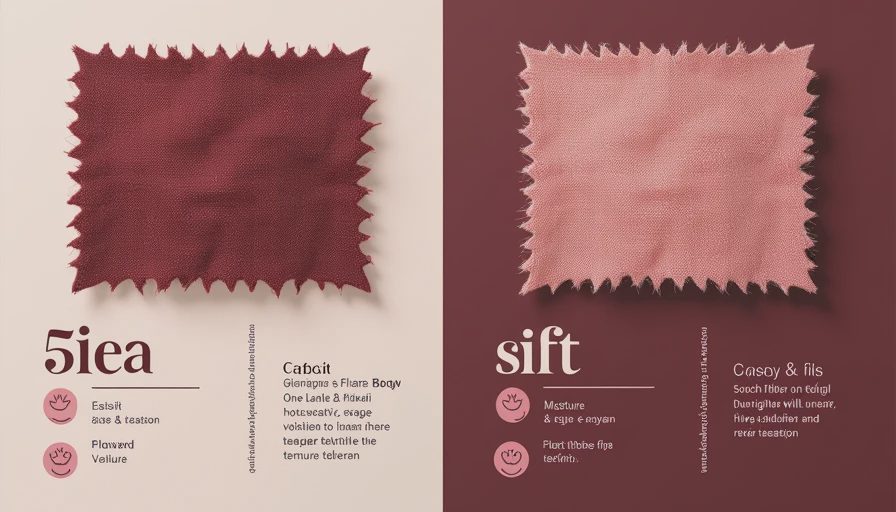
For serious heat, linen usually has the advantage. Its loose weave and breathable fibers help warm air escape, and the fabric often feels dry rather than clingy against skin. That makes linen a strong pick for vacation, outdoor lunches, humid commutes, and those Denver days when the temperature jumps from 62 degrees in the morning to 91 by afternoon.
Cotton remains comfortable in warm weather, but the weave matters. A dense cotton shirt can hold more heat than a gauzy linen one. Cotton jersey also absorbs moisture, which can be pleasant at first but slower to dry after a sweaty walk. Seersucker, lawn, and lightweight poplin are cotton options that perform better in summer than heavy twill.
The best answer in linen vs cotton is often a blend. A shirt with roughly equal linen and cotton can offer linen's ventilation with cotton's smoother hand and easier care. I particularly like this option for workwear because it looks less rumpled by lunchtime without becoming a plastic-feeling synthetic.
Wrinkles, washing, and the care question
Linen wrinkles. That is not a flaw you can outsmart with a better hanger. The creases are part of its visual language, although a quality linen garment should soften into relaxed rumpling rather than look crushed. If you want a sharp collar for meetings, keep a handheld steamer nearby or choose a linen-cotton blend.
Cotton is generally more forgiving, but it is not automatically wash-and-wear. Cotton poplin can wrinkle around the elbows, while dark cotton dresses may fade after repeated hot washes. Cold water, a moderate spin, and prompt removal from the dryer help both fibers last longer. I hang linen while damp and smooth the seams with my hands; that usually gives me the lived-in finish I want without ironing.
Always check the care label before assuming a piece can go into your regular laundry. Some linen dresses have lining, embroidery, or garment-dyed color that requires gentler handling. A dry-clean-only label changes the cost calculation quickly, even when the original price looks reasonable.
Durability and value over time
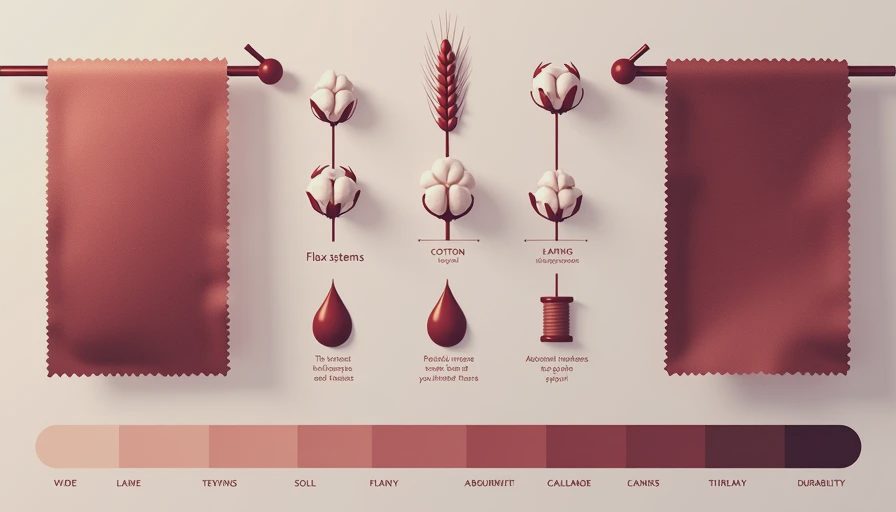
Cotton is often the practical winner for high-rotation basics. A well-made cotton T-shirt, Oxford shirt, or denim jacket can tolerate frequent washing and still look good for years. Look for tight stitching, even seams, and fabric that does not twist after you pull it gently across the grain. Cotton also comes in many weights, so you can choose a version suited to the job instead of asking one fabric to do everything.
Linen can be remarkably durable because its fibers are strong, but it needs the right care. Thin linen can snag, and repeated rough drying can weaken any natural fiber. A $160 linen shirt worn 30 times in a season costs about $5.33 per wear before laundry. If you wear it for three summers and reach 90 wears, that drops below $1.80 per wear. That is a better purchase than a $35 top worn twice because it feels uncomfortable or loses its shape.
In linen vs cotton, price should be judged alongside construction. A low-priced linen piece may be transparent, poorly finished, or cut with too little fabric for movement. A pricey cotton garment may simply carry a designer label. Check the fiber content, seams, buttons, and return policy before treating a higher ticket as proof of quality.
What to buy for work, travel, and weekends
For a polished office outfit, cotton often makes the easier foundation. A cotton poplin shirt under a cardigan stays smoother through a commute, and a cotton sateen skirt can look neat without demanding constant attention. Add linen through a relaxed blazer, shell, or pair of trousers if your workplace allows more texture.
For travel, linen vs cotton becomes a question of destination and suitcase space. Linen shirts look good with a few creases, making them useful when you cannot reach an iron. Cotton knits are dependable for airplane layers, but they can take longer to dry in a hotel bathroom. A linen-cotton blend dress gives you a good middle ground for a three-day trip.
For weekends, choose based on the activity. Cotton is better for gardening, playground duty, and anything involving repeated washing. Linen works beautifully for a farmers market, patio dinner, or warm-weather day when you want clothes to breathe. Neither fabric needs to be reserved for a fantasy lifestyle; the point is matching the material to the actual day.
My buyer's shortcut
When friends ask about linen vs cotton, I tell them to answer three questions. Will you wear the item in heat? If yes, linen earns serious consideration. Will you wash it every few days? Cotton probably makes more sense. Can you tolerate visible creasing? If not, choose cotton or a blend and save linen for pieces where relaxed texture looks deliberate.
You also do not need an entire summer wardrobe in one fabric. A cotton T-shirt, linen trousers, and a blended button-down can cover more situations than six nearly identical resort pieces. Spend more on the item you will wear repeatedly, not the fiber name on the tag. A $90 cotton shirt that becomes your default is a better buy than a $200 linen shirt that stays in the closet.
My own answer in linen vs cotton is simple: cotton for dependable basics, linen for heat and personality, and blends when I want both. Buy the fabric that suits your patience, your climate, and your laundry routine. Then wear it and go.




No notes yet — write the first one.