Last fall, I watched a woman try on three nearly identical black sweaters at a Nordstrom fitting room in Cherry Creek. She was heading into a busy work season and wanted a closet that made mornings easier, not another pile of clothes demanding a personality transplant. That is the spirit behind my Nordstrom capsule recommendations: fewer pieces, better combinations, and no pretending that every woman needs the same beige blazer.
I spent seven years buying contemporary women's apparel for Nordstrom, which means I have seen thousands of garments up close. I know when a $198 cardigan has thoughtful construction and when the price is mostly a polished hangtag. A useful capsule does not require a strict number of items or a particular body type. It needs clothes that fit your schedule, climate, laundry habits, and tolerance for ironing.
Start with your actual week
Before shopping, write down the seven days you are dressing for. A Denver parent working three days from home will need a different mix from a Seattle attorney, a nurse, or someone commuting in Chicago snow. Your starting wardrobe might include dark jeans, wide-leg trousers, a washable knit, a crisp button-down, a casual jacket, and comfortable shoes. Those categories are more helpful than a rigid list of thirty pieces.
My first Nordstrom capsule recommendations usually begin with two bottoms that work with at least four tops each. Look for a straight or relaxed jean in a medium or dark wash, then add a trouser in black, charcoal, navy, or a warm neutral. The right rise and fabric matter more than the current silhouette. If you sit for long stretches, test the waistband seated. If you walk to meetings, take a lap around the store. Clothing is not a still life; it has to move with you.

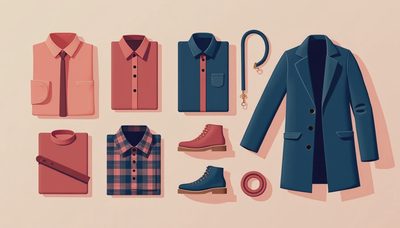
Next, choose a restrained color story rather than forcing everything into camel and cream. Navy with olive, chocolate with denim, or charcoal with burgundy can be just as versatile and more personal. Keep two or three colors repeating across tops, bottoms, shoes, and accessories. Repetition is what creates outfit options. It is also what makes a smaller wardrobe feel intentional instead of random.
The pieces worth examining at Nordstrom
For knitwear, I like to inspect the inside first. Look at the seams, stretch the cuffs gently, and check whether the fabric springs back. Brands such as Madewell, Vince, Nili Lotan, and Nordstrom's house labels occupy different price levels, so the question is not simply whether one is better. Ask what role the piece will play. A $79 cotton cardigan worn twice a week can beat a $300 novelty sweater worn twice a year.
Among my Nordstrom capsule recommendations, a washable merino or cotton-blend sweater earns its place quickly. It can sit over a tee, under a blazer, or beside denim for a weekend coffee run. For polished layers, compare a lined blazer from brands such as Theory or Halogen with an unstructured jacket from Madewell. The first may serve formal meetings; the second may work harder for school pickup and travel. Choose based on your calendar, not a fantasy version of it.
Outerwear deserves a serious budget because it is often the first and last thing people see. A wool coat around $250 to $500 can deliver years of winter use if the shoulders fit and the lining moves comfortably. For milder days, a trench, quilted jacket, or water-resistant shell may be more practical. I would rather see one excellent coat and two reliable shoes than a closet full of delicate statement pieces.
Build outfits before buying more
Here is the buyer's-eye test I use: can you name three outfits before you purchase the item? A striped shirt might work with dark jeans, olive trousers, and under a sweater vest. A brown loafer could pair with denim, a midi skirt, and cropped trousers. If you can only imagine one highly styled outfit, pause. The garment may be beautiful, but it is not necessarily useful.
This is where many Nordstrom capsule recommendations become more specific. A blazer should not be selected only because it looks impressive on a hanger. Try it over your thickest everyday top. Check sleeve length with your arms bent. Sit down. If you prefer a relaxed fit, size and cut for movement rather than squeezing into a smaller label. The number inside the garment is not a grade, and your body does not owe anyone a particular silhouette.
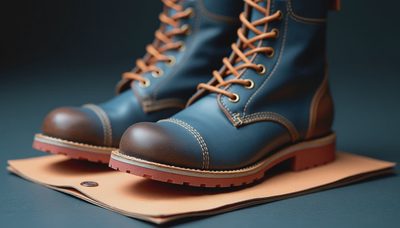
For shoes, start with your real walking distance. A leather sneaker from Veja or Cole Haan, a supportive loafer from Sam Edelman, and a weather-ready ankle boot can cover a surprising amount of life. Spend more where comfort determines whether you wear the item. My cost-per-wear note is simple: a $160 shoe worn forty times costs $4 per outing before maintenance, while a $70 shoe worn twice costs $35 each time.
Spend with a cost-per-wear plan
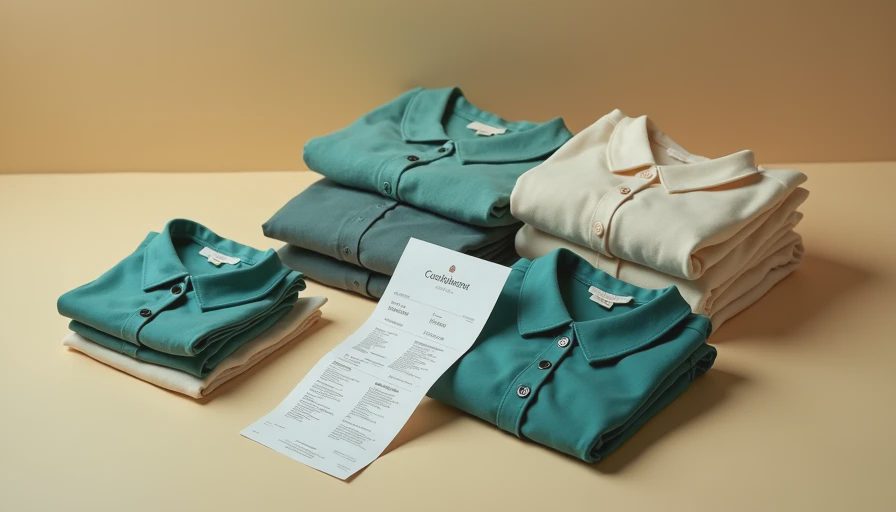
Price alone does not tell you whether something is a good buy. A $45 top that pills after four washes is expensive in practice. A $220 jacket worn weekly for three years may be a bargain. When I shop, I estimate realistic use rather than making heroic promises. If a dress is for one wedding, I want it under a price that feels comfortable for one or two wears. If a coat will handle every cold month, stronger fabric and repairable details justify more.
Nordstrom capsule recommendations should also include a maintenance budget. Dry cleaning, resoling, tailoring, and sweater care change the true cost of clothing. Set aside roughly $20 to $60 for simple alterations when a garment is nearly right. A hem can transform trousers, but no tailor can fix a shoulder seam that is fundamentally wrong. Check care labels before purchase, especially if you are already struggling to keep up with laundry.
Nordstrom's broad selection makes comparison easier, but it can also make browsing feel like a second job. Use filters for size, fabric, price, and color, then stop opening new tabs once you have a workable short list. Online, measure a garment you already love and compare the posted dimensions. In store, bring the shoes or bra you would normally wear. Small details prevent the familiar return pile.
A simple shopping sequence
My final Nordstrom capsule recommendations follow a sequence. Buy the everyday bottoms first, then test tops against them. Add one layer that makes casual outfits look finished, followed by shoes suited to your walking life. Only then consider a special piece. This order reveals gaps instead of encouraging duplicates.
After each purchase, take a quick phone photo of two outfits. You do not need a polished closet app. The photos show whether the new item connects with what you own and whether you actually like seeing yourself in it. Give yourself a week to notice comfort, wrinkling, pocket placement, and how often you reach for it. Those details are more reliable than the excitement of the fitting room.
The best capsule is not the smallest one. It is the one that lowers morning friction while leaving room for personality, weather changes, and the occasional ridiculous purchase that makes you happy. Start with the clothes you already wear, fill the clearest gaps, and let quality earn its place through use. That is the practical promise behind Nordstrom capsule recommendations: buy thoughtfully, dress for the life in front of you, and then wear it and go.


No notes yet — write the first one.