On a cold Denver morning, I was grabbing the same gray cardigan, black jeans, and loafers I wear when the day needs to move fast, and it hit me again that how to build a capsule wardrobe is less about being tidy and more about being realistic. If you have work, errands, school drop-off, a dinner plan, and maybe one hour to yourself, the goal is not a tiny closet. The goal is a closet that stops arguing with you before coffee.
How to build a capsule wardrobe that still feels like you
Start by writing down the five outfits you already reach for most. Not the imaginary ones. The actual ones. Maybe it is a blazer with straight jeans and a tee, a knit dress with boots, a button-down with trousers, or a cashmere sweater with wide-leg pants. That list tells you what your life looks like and what your closet needs to support. I used to see people buy around the outfit they wished they wore, then wonder why nothing felt right on Wednesday. Build from the Wednesday outfit. If you work from home, maybe your version is elevated knits, dark denim, and one great sneaker. If you commute, maybe it is structured layers and shoes you can stand in all day.
Start with the week you actually live
This is where the buyer brain helps. A capsule works best when it reflects your calendar, your climate, and how much laundry you realistically do. If you live in Denver, you know a 62-degree morning can turn into a windy afternoon and a cold evening. That means layers matter more than novelty tops. Think in categories: two bottoms you can wear three ways, three tops that mix with both, one outer layer, and one shoe that can handle a lot of pavement. You do not need to buy everything at once. I like to start with the gap that causes the most outfit stalls. For some women, it is trousers that do not pull. For others, it is a bra-friendly tee that actually skims, not clings. Solve the daily annoyance first and the closet gets quieter fast.
Pick a color story and let it repeat
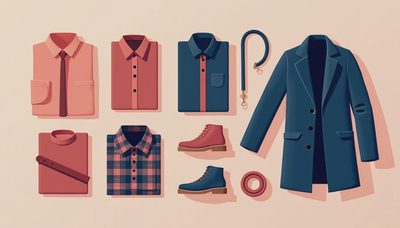
Two neutrals, one dark, and one accent is usually enough. Black and ivory with denim and olive works. Navy, white, camel, and a little burgundy works. So does gray, cream, and a clean blue if that is already your lane. The point is to make outfits that meet each other without effort. If a sweater only works with one skirt, it is a specialty item, not a wardrobe anchor. I am not anti-color; I am anti-random color. A capsule gets easier when your shoes, bags, and outerwear also live in the same neighborhood. That is why a tan belt, a black ankle boot, and a white sneaker can cover a ridiculous amount of ground when they are chosen on purpose. Wear it and go.

Buy the boring pieces first
The pretty pieces are fun, but the boring pieces pay rent. I mean the white tee, the button-down, the straight jean, the tailored trouser, the cardigan, the blazer, the sneaker, and the loafer. This is where stores like Uniqlo, Madewell, COS, J.Crew, Everlane, and Nordstrom are worth a look because they all do a version of the same useful staples. A tee can be $20 to $50. Jeans usually sit between $98 and $160. A decent blazer might run $150 to $300. The trick is not to chase the cheapest option; it is to check the shoulder, the sleeve, the drape, and whether the fabric looks tired the minute you sit down. I have seen plenty of expensive pieces with sloppy finishing and plenty of mid-priced basics that quietly do their job for years.
Spend where the fabric works hardest
If you want the math to be kind, put your money into the pieces that work hardest in real life. A good coat, a leather bag, a great pair of boots, and jeans you actually like wearing will beat a pile of trendy tops every time. I have seen a $220 blazer worn 80 times, which puts the cost at under three dollars a wear, and that is before you count the confidence of not fussing with it. On the flip side, I have seen a $39 top become irritating after two washes because the neckline stretched and the sleeves twisted. Cheap is not cheap if you stop reaching for it. If you are deciding between a flashy thing and a dependable thing, ask which one will still make sense on the hundredth day. That answer usually tells the truth.

Try the five-outfit test before you keep anything
Before you rip tags off, make the new piece earn at least five outfits. Put it with three bottoms you already own and two layers you already trust. Stand in front of a mirror and picture three real days: a desk day, an errand day, and a dinner that does not require an outfit change. If it only works with one hero piece, it is too dependent. If it looks better every time you swap the shoes or the bag, that is a good sign. This test is not about perfection. It is about whether the item reduces friction. A capsule that behaves well in the fitting room behaves well on a Tuesday, and Tuesday is where style proves itself.
A sample budget that does not require a personality transplant
If you are building from scratch, a smart $500 can cover a tee, a sweater, one pair of jeans, and a pair of flats or sneakers if you shop sale racks at Nordstrom, Madewell, or Uniqlo with some patience. Around $1,000 to $1,500 gives you room for a blazer, a better shoe, and a coat, which is where the closet starts feeling finished instead of pieced together. If you already own good denim, shift the money toward layers and footwear. If you work from home, spend more on what you wear on camera and to leave the house. No one gets style points for buying more than they use. The better move is buying fewer things that cover more of your actual week.
So yes, how to build a capsule wardrobe starts with editing, but it is really about choosing pieces that cooperate with your life. Start with the outfits you repeat, keep the colors friendly, and let the first purchases solve the problems you feel most often. That is how to build a capsule wardrobe without turning your closet into a project you resent. Wear it and go.


No notes yet — write the first one.