Yesterday in Denver, I left the house in a tee, a cardigan, and jeans, then needed a jacket by lunch and sunglasses by 3 p.m. That is exactly why a fall capsule wardrobe works when your life is busy and your weather has a personality. I spent seven years buying women’s apparel at Nordstrom, and the best closets I saw were never the biggest ones. They were the ones where everything earned a place, mixed easily, and got worn without a 20-minute pep talk.
A good fall capsule wardrobe is not about counting items like you are being graded. It is about narrowing the field so getting dressed feels quick, repeatable, and still like you. Think of it as a small group of pieces that play well together: denim that fits your real life, a couple of knit layers, one polished shoe, one practical boot, and a jacket that can handle school drop-off, the office, and dinner without a costume change.
How I think about a fall capsule wardrobe
The first thing I look for is usefulness, not novelty. In a fall capsule wardrobe, every piece should work at least three ways. A ribbed tee can sit under a blazer, under a denim jacket, or under a cardigan. Straight-leg jeans can go with sneakers, loafers, or ankle boots. If a piece only makes sense with one exact outfit, it is probably a candidate for the donate pile or the maybe-later shelf.
I also like the math. If you spend $180 on a sweater from J.Crew, Naadam, or Vince and wear it 40 times, you are at $4.50 a wear. A $70 sweater from Uniqlo that pills after five outings is not actually the bargain. Same with denim: a $128 pair from Madewell or Levi’s that you reach for twice a week is usually smarter than three cheaper pairs that tug, sag, or never make it out of the drawer.
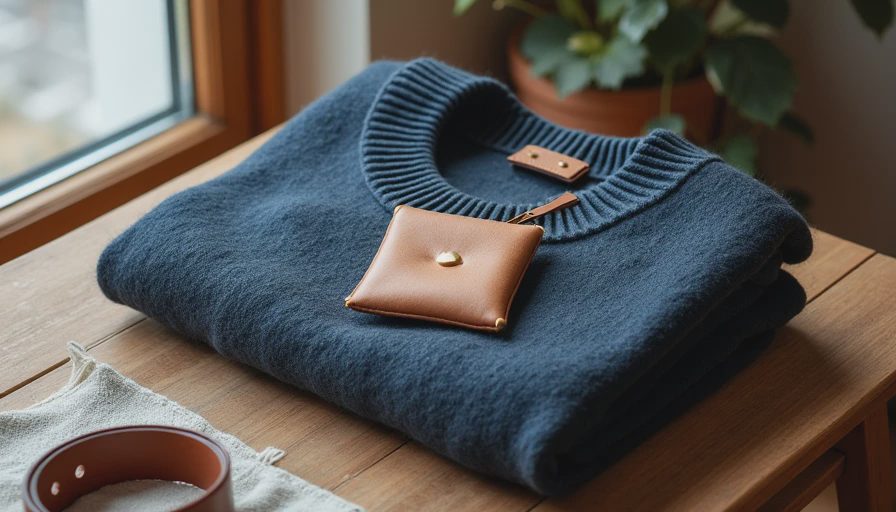
The core pieces I would start with first
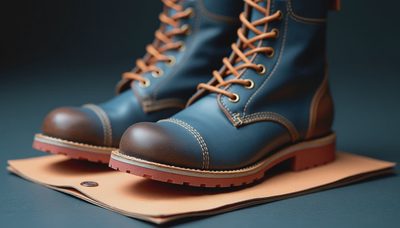
If you are building from scratch, start with the unglamorous stuff that does the heavy lifting. I would want one pair of straight or slightly wide jeans, one trouser or ponte pant, two tops with sleeves, one tee, one sweater, one cardigan or blazer, one coat or barn jacket, and two shoes that solve different problems. For many women, that means a sneaker or loafer for daytime and a boot for colder, wetter days.
A fall capsule wardrobe gets easier when the colors stay in the same family. Navy, black, camel, gray, olive, chocolate, and denim blue all mix without making you think too hard. If you love color, bring it in through one sweater, a striped tee, a scarf, or a bag. That gives you personality without turning every outfit into a project.
Fabric matters more than most people want to admit. Cotton tees, merino sweaters, wool-blend trousers, denim with a little stretch, and a lined coat usually wear better than flimsy synthetics that look tired after three washes. In Denver, I like layers that can handle a cool morning, a sunny afternoon, and a random wind gust without making me regret leaving the house.
Outfit formulas that save time on busy mornings
This is where a fall capsule wardrobe starts paying rent. Use the same building blocks in different combinations and you will stop feeling like you need fresh inspiration every day. One easy formula is jeans, tee, cardigan, and ankle boots. Another is trouser, fitted knit, blazer, and loafers. If you want something more casual, try a sweater, straight jeans, and sneakers with a long coat tossed on top.
A customer-facing office outfit can be just as simple. Swap the sneakers for a sleek boot, keep the top layer clean, and choose a bag with structure. On weekends, I like the same jeans with a tee and utility jacket, or a knit dress with tights and boots once the temperature drops. That is the whole trick: the clothes do not have to be fancy, they just have to cooperate.
A fall capsule wardrobe shopping list that actually works
When I shop for clients, I split the budget into spend and save. Spend on the pieces that touch your skin or get the most wear: jeans, boots, a good sweater, and outerwear. Save on trend items like a printed top, a brighter bag, or a seasonal scarf. A $200 boot from Blondo, Sam Edelman, or Frye makes more sense if you will walk in it all season. A $30 top from Target or Old Navy is fine if it fills a real gap and does not need to last forever.
A fall capsule wardrobe should also leave room for the stuff you already own. Before buying anything new, pull out the pieces you actually wore last year and check the gaps. Maybe you have great jeans but no top layer that feels finished. Maybe your boots are fine, but your sweaters are all too thin. Buying around the gap is smarter than starting from zero and pretending your closet did not already give you clues.
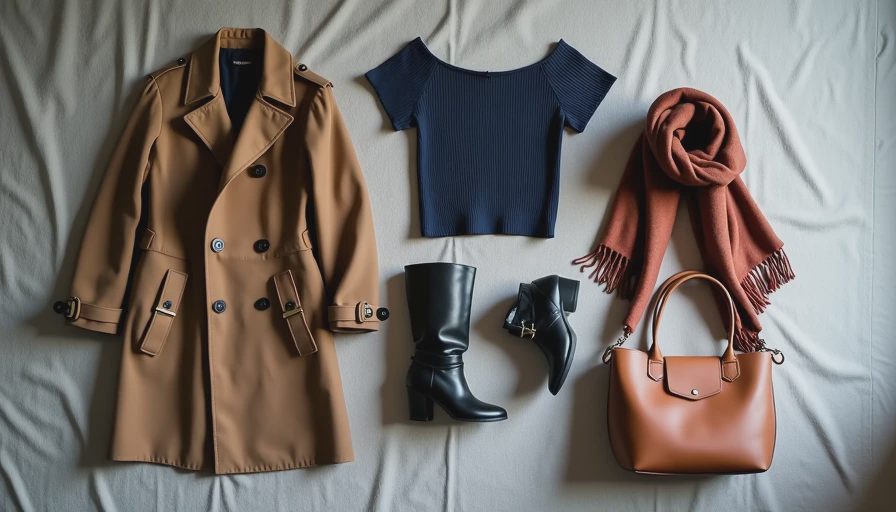
The mistakes that make the whole thing harder than it should be
The biggest mistake is chasing a Pinterest closet instead of your actual week. If you work from home three days a week, do school runs, and go out once on Friday, you do not need a fantasy wardrobe full of dry-clean-only pieces. You need a fall capsule wardrobe that can handle car seats, coffee spills, and real walking.
The second mistake is buying too many almost-the-same items. Three nearly identical black sweaters will not make getting dressed easier. One really good black sweater, one cream knit, and one striped tee usually do more. I would rather see a closet with fewer pieces that all earn their keep than a packed rack of expensive maybes.
If you want the simplest reset, make one pass through your closet, keep the pieces you wore last fall, identify two real gaps, and shop only for those. That is how a fall capsule wardrobe stays useful instead of becoming another guilty little project. Wear it and go.


No notes yet — write the first one.