Last winter, I pulled a twelve-year-old wool coat from the back of my closet before a windy Denver walk with Scout. The lining was still smooth, the buttons were secure, and the sleeves had survived countless coffee runs. People often ask what makes clothes last, and the answer is less glamorous than a secret designer trick. It comes down to materials, construction, fit, care, and whether a garment can handle your actual life.
After seven years buying contemporary clothing for Nordstrom, I've seen thousands of garments up close. I've handled beautiful cashmere with weak seams and affordable cotton shirts that kept their shape for a decade. Price can give you clues, but it does not settle the question. A $180 sweater worn 80 times costs $2.25 per wear; a $45 top worn twice costs $22.50 per wear. The useful purchase is the one you reach for repeatedly.
Start with the fabric, not the label
Fiber content is the first place I look. It tells you how a garment is likely to behave, though the weave and finishing matter too. Long-staple cotton usually feels smoother and resists fuzz better than very short fibers. Linen can last beautifully because its fibers are strong, but it will wrinkle and soften rather than stay perfectly crisp. That is part of its personality, not a defect.
Wool is naturally resilient and often needs less washing than cotton. A good merino sweater can handle regular wear if you air it between uses and wash it gently. Denim with a sturdy cotton weave tends to outlive thin stretch denim, while a small amount of elastane can make jeans more comfortable and easier to move in. The tradeoff is that stretch fibers can lose recovery over time, especially with high heat.
Look at the cloth in your hands. Hold a shirt toward a window and notice whether it is nearly transparent. Rub a small area gently between your fingers. Excessive fuzz before the first wash is not encouraging. A fabric that feels substantial without feeling stiff usually gives you a better starting point.
Construction is where the money shows up
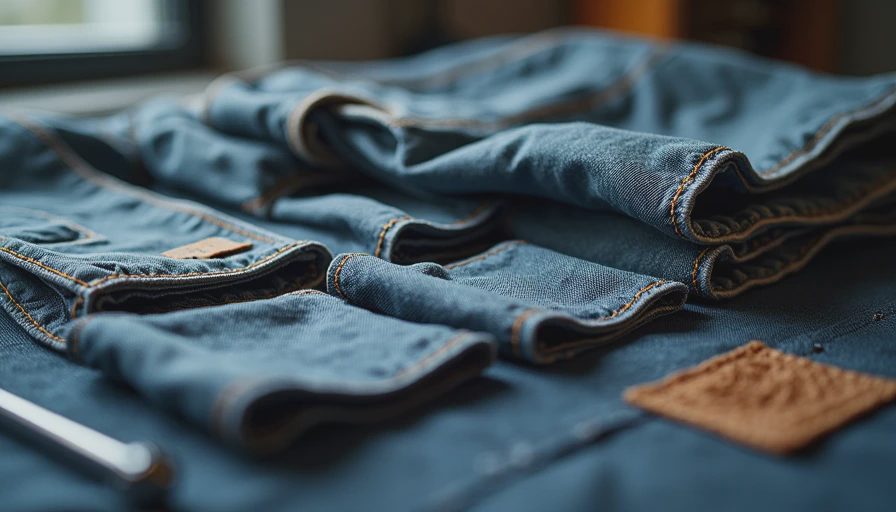
The best answer to what makes clothes last is often visible inside the garment. Turn a jacket, trouser, or blouse inside out. Seams should lie flat, with consistent stitching and no loose threads dangling like tiny surrender flags. Stress points such as pockets, belt loops, crotches, and underarms deserve reinforcement because those areas absorb the most movement.
For shirts and dresses, check whether the side seams twist when the garment hangs. Twisting can signal poor cutting or uneven sewing, and it usually becomes more obvious after laundering. On a lined blazer, inspect whether the lining has enough ease to let you move your arms. A beautiful jacket that pulls across your back will spend more time on a hanger than on your body.
Buttons should be attached firmly, with enough thread shank to allow the fabric to sit naturally underneath. Zippers should glide without catching. Hems need even stitching, and a generous hem allowance gives a tailor more room to repair or lengthen a piece later. None of these details are exciting in a fitting room. They are exciting three years later, when the garment is still functioning.
I also look for replaceable components. A coat with ordinary buttons can be repaired; a delicate snap sewn into a stressed area may be harder to fix. Good construction does not make clothing indestructible, but it gives you options.
Fit affects a garment's lifespan
People usually discuss fit as a matter of appearance, but it is also a durability issue. A shirt stretched tightly across the bust or shoulders experiences more strain at its seams. Pants that pull at the hips or waistband can wear thin in predictable places. Meanwhile, an oversized garment that constantly drags on the ground will collect damage at the hem.
This does not mean clothing must fit one approved way. Your body is allowed to change, and personal style is not a math problem. It means you should notice where fabric is under pressure when you walk, sit, reach, and bend. Try on a jacket while wearing the type of sweater you actually layer underneath. Sit in jeans. Raise your arms in a button-down. Ten seconds of movement can reveal more than a mirror pose.
Alterations can turn a nearly right purchase into a reliable one. A $25 to $60 hem is often worthwhile on trousers you expect to wear weekly. Waist adjustments, sleeve shortening, and replacing buttons are similarly practical repairs. I keep a small tailoring budget in the cost-per-wear tally on my phone because the purchase price is not the whole story.
What makes clothes last after you bring them home
Laundry is where many good garments lose the plot. What makes clothes last in real life is usually less washing, lower heat, and fewer aggressive cycles. Read the care label, but also use common sense. Air out a wool cardigan rather than automatically washing it after one dinner. Spot-clean a small mark before putting the whole garment through a cycle.
Turn dark denim and printed clothing inside out. Use cold or cool water for most everyday loads, choose a mild detergent, and avoid filling the machine so tightly that clothes cannot move. High heat is particularly rough on elastane, elastic waistbands, and delicate knits. Lay sweaters flat to dry instead of hanging them wet, which can stretch the shoulders. Hang woven shirts on sturdy, shaped hangers, while slippery silk or lightweight knits may do better folded.
A drying rack costs less than replacing a favorite sweater. So does a mesh laundry bag for bras, tights, and fine garments. If a label says dry clean, follow that guidance when the item is structured or made from a fabric that could shrink. Do not assume every stain needs a harsh chemical treatment; a cleaner can often advise you before the mark becomes permanent.

Storage prevents small damage from becoming expensive
Closet storage matters more than most people expect. Give clothes enough breathing room that sleeves and hems are not permanently crushed. Fold heavy sweaters because long-term hanging can distort the shoulders. Store leather and suede away from direct heat and sunlight, and never put a damp garment into a drawer or closet.
Before storing seasonal pieces, wash or clean them according to their care instructions. Food and body oils can attract pests, even when you cannot see a mark. Use breathable garment bags for special pieces rather than sealing everything in plastic. Cedar blocks can help discourage moths, but they work best alongside clean storage and regular inspections. Lavender sachets smell pleasant, but they are not a substitute for checking wool and cashmere.
Small repairs are also storage maintenance. Sew a loose button before it disappears. Reinforce a thinning pocket. Replace a worn-out zipper pull. A $10 repair made early can prevent a $100 replacement later. I have rescued more than one excellent skirt by addressing a loose hem before it became a full unraveling situation.
A practical buying test before checkout
When I am deciding whether a piece deserves space in my closet, I ask five plain questions. Will I wear it in at least three seasons? Does it work with shoes and layers I already own? Can I move comfortably? Do the fabric and construction match the price? And will I realistically care for it as instructed?
That final question is important. A silk blouse may be beautifully made, but if your life requires easy machine washing, it could become an expensive guilt object. A washable cotton poplin shirt might deliver far more value. What makes clothes last is not only superior material; it is a relationship between the garment and the person wearing it.
Imagine a $120 pair of trousers worn twice a week for a year. At roughly 100 wears, that is $1.20 per wear before repairs. Now imagine a $55 pair that bags at the knees after six outings. The cheaper option was not cheaper in any meaningful way. Buy the piece that supports your routines, then give it the basic care it needs.
Clothes do not need to be precious to be worth looking after. The goal is a closet of things that can handle commutes, school pickups, office days, date nights, muddy trails, and the occasional brewery patio. Choose thoughtfully, repair early, wash gently, and wear the good stuff now. Wear it and go.




No notes yet — write the first one.