Last Saturday, I was standing in my Denver kitchen in yesterday's jeans, a coffee going cold beside the pottery wheel, and trying to decide whether a $238 cardigan deserved closet space. This is exactly why I write boutique brand spotlights. Small labels can make wonderful clothes, but a charming website and a linen-wrapped package do not automatically equal good design, useful fit, or fair pricing. After seven years buying contemporary apparel at Nordstrom, I look at the garment first and the story second.
Why boutique brand spotlights are worth your time
Independent brands often solve problems larger companies ignore. They might make a trouser in three lengths, use deadstock fabric, offer a genuinely broad size range, or produce fewer pieces instead of flooding the market. That attention can show up in the details: a smooth waistband, a lining where friction happens, buttons that feel securely attached, and seams that sit flat after a full day of movement.
The trade-off is that smaller companies do not always have the generous return windows, abundant reviews, or consistent sizing you get from a major retailer. A $190 cotton dress is not a bargain if shipping it back costs $18 and the replacement size is already gone. Good boutique brand spotlights should give you enough practical information to make the purchase with open eyes, including measurements, fabric behavior, care instructions, and what the writer actually wore.
I also want these conversations to leave room for real budgets. Spending $300 on a jacket can be sensible when you wear it twice a week for three years. It can be a poor choice when the fabric pills, the sleeves restrict your reach, and you already own four similar jackets. Price is one part of the equation, not the whole verdict.

How I read boutique brand spotlights like a buyer
The first question is construction. I turn a garment inside out mentally, even when I am looking at a product page. Is the fabric substantial enough for the silhouette? Does the collar have support? Are the pockets reinforced? On knitwear, I check fiber content and gauge because a beautiful alpaca blend can still shed across every black T-shirt you own. On denim, I care about recovery as much as stretch. Jeans that feel perfect for ten minutes can become a loose, uncomfortable waistband by lunchtime.
Next comes the fit information. “Model is wearing a small” tells me almost nothing. I want the model's height, the garment's actual measurements, and a description of where the hem landed in normal life. A petite customer may need a tailor for a 29-inch inseam; someone tall may appreciate that length without alterations. Neither body needs correcting. The clothes need to give useful information.
I also look for styling range. A $145 blouse should work with jeans, office trousers, and a skirt you already own. A $90 tee should survive a wash routine you can realistically maintain. The best boutique brand spotlights explain whether a piece earns its hanger, rather than treating every new arrival as a must-have.
The labels that usually earn a closer look
Certain categories are especially good territory for small brands. Knitwear is one. A focused label may offer a merino sweater with a clean shoulder and enough length to tuck without ballooning. Alex Mill, for example, is known for relaxed, everyday pieces with a practical feel, while brands such as M.M.LaFleur focus more heavily on polished workwear. Their aesthetics differ, but both illustrate a useful point: a brand should have a clear reason for existing.
Small denim labels can also be worth investigating when they publish rise, thigh, inseam, and stretch details instead of relying on vague size labels. In shirting, I look for sturdy cotton poplin, thoughtful sleeve openings, and buttons that do not gap when you sit. For outerwear, I would rather see a simple coat with a good lining and useful pockets than a dramatic shape that only works over one thin top.
These examples are not instructions to buy from a particular name. They are prompts for comparison. Read boutique brand spotlights alongside the label's size chart, return policy, and care page. If the writing is poetic but the measurements are missing, pause before entering your card number.
Cost-per-wear makes the decision clearer
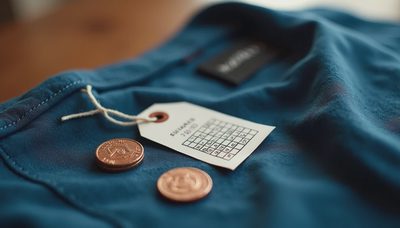
I keep a cost-per-wear tally on my phone for anything over $100. It is not a morality score; it is a way to remove some drama from the decision. Imagine a $240 wool jacket worn 60 times over two winters. That works out to $4 per wear before cleaning. A $78 trendy jacket worn twice costs $39 per wear, even though the checkout total looked friendlier.
The math works in the opposite direction, too. A $210 cream sweater that requires expensive specialty cleaning and makes you nervous around coffee may not be a practical win. Add $12 to $20 for each cleaning visit and the real price changes quickly. Before buying, ask where the item will go, what shoes will work with it, and whether you can picture wearing it on an ordinary Tuesday rather than only in an imagined vacation photograph.
This is where boutique brand spotlights can be genuinely helpful. A writer who says, “I wore this linen shirt through a hot afternoon and it wrinkled at the elbows,” is giving you better information than five polished campaign photos. Wrinkles are not a flaw in every context, but they are part of the ownership experience.
Questions to answer before you buy
Start with the return policy. Find out whether sale items are final sale, who pays return shipping, and how long refunds take. Then compare your measurements with the brand's chart, not with a size number from another store. Measure a garment you already love for additional context, especially for shoulder width, rise, and body length.
Look at every available fabric photo. A close-up can reveal whether a knit is smooth, slubby, brushed, or loosely woven. Read care instructions before purchase, because “hand wash cold” is different from “machine washable” when your week already includes work, errands, and a dog that believes muddy paws are a greeting.
Finally, check whether the brand offers customer service through email or live chat. A thoughtful answer about sleeve length or fabric opacity can prevent an expensive mistake. Boutique brand spotlights should help you ask sharper questions, not replace your judgment.
Wear it and go
The point of boutique brand spotlights is not to make every purchase feel like a research project. It is to help you spend with more confidence and less fashion noise. A small label can be a wonderful source for the jacket you wear to brewery dinners, the trousers that handle a commute, or the sweater that becomes part of your weekly uniform. It can also sell a beautiful object that does not suit your life.
I've seen thousands of garments up close, and here's what I know: the best piece is rarely the one with the loudest launch or the most elaborate brand story. It is the one with sensible construction, honest fit information, a price you can explain, and enough usefulness to meet you where you are. That is what boutique brand spotlights should deliver. Read closely, do the cost-per-wear math, buy the size that lets you move, and then wear it and go.




No notes yet — write the first one.