The first time I packed for a week in Europe as a buyer, I brought a beautiful linen shirt, a tiny steamer, and far too much optimism. By the time I reached the hotel, that shirt looked like it had slept under a sofa. Since then, I have tested, worn, washed, and inspected plenty of wrinkle free travel clothes, and I have learned that the best pieces are not necessarily the most expensive ones. They are the garments with useful fabric, sensible construction, and enough personality to survive a long travel day.
What makes clothing genuinely travel friendly
Good travel clothing has to do several jobs. It needs to resist creasing in a suitcase, feel comfortable while sitting for hours, work across changing temperatures, and look presentable when you walk into a restaurant or meeting. That is a fairly demanding brief for one pair of pants.
Start with fabric. Polyester, nylon, and technical blends usually recover from packing better than pure cotton or linen. Merino wool is another excellent option because it regulates temperature and does not hold onto odor quickly. A rayon, nylon, and spandex blend can also be terrific, especially in a drapey blouse or pull-on pant. The exact percentage matters less than the hand feel and recovery: scrunch a corner in your fist, release it, and see whether the fabric relaxes within a few seconds.
I also look at seams and closures. A lightweight knit with a stable waistband is more useful than a flimsy, shiny blouse marketed as “packable.” Flat-front pants, mock-neck tops, and unlined knit dresses tend to travel better than heavily tailored pieces with stiff interfacing. You do not need a suitcase full of performance gear. You need clothes that forgive real life.
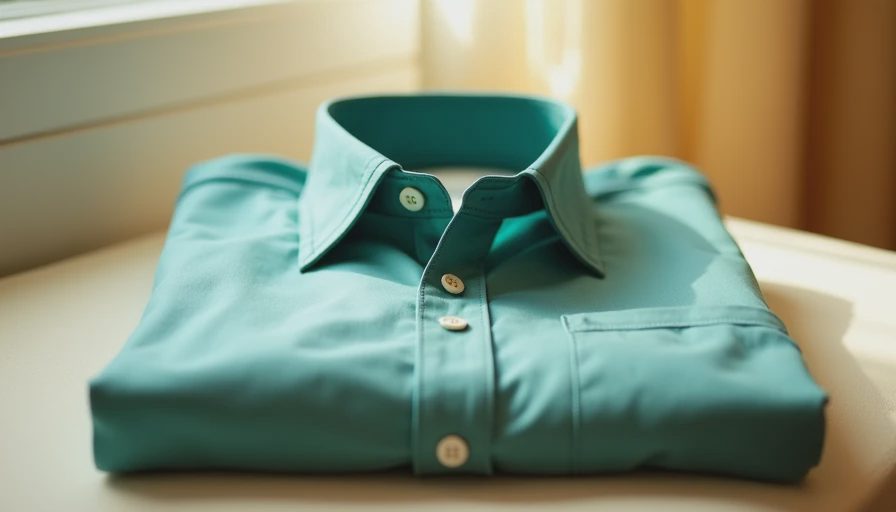
The best fabrics and silhouettes to pack
When readers ask me about wrinkle free travel clothes, I usually point them toward four categories: knit dresses, ponte pants, merino layers, and fluid button-front shirts. Each earns space because it can be styled several ways.
A knit dress is the fastest complete outfit in your suitcase. Look for a midi length with a little structure, not a tissue-thin jersey that clings to every seatbelt and coffee spill. Brands such as Eileen Fisher, Quince, and Boden often offer practical knit options at different price points. A dress priced around $100 to $200 can easily reach a cost per wear below $10 if it works for flights, dinners, and casual office days.
Ponte pants are another reliable choice. The fabric is thicker than ordinary jersey, so it smooths the line of the outfit without feeling like formal trousers. Straight-leg or wide-leg cuts are more versatile than a very narrow ankle style. Pair them with sneakers on the plane, then add loafers and a jacket at dinner.
For tops, merino wool from brands such as Uniqlo, Smartwool, or Icebreaker is worth considering. A fine-gauge crewneck fits under a blazer and over a tank. A fluid synthetic shirt from brands like Athleta or Lululemon can be equally useful, particularly if hand washing and quick drying matter.
A simple carry-on outfit formula
My favorite formula starts with one dark base, one light layer, and one interesting accessory. For example, pack navy ponte pants, a black knit dress, two merino tops, and a lightweight jacket. Add white leather sneakers, low-profile loafers, and a scarf that brings in color. That small wardrobe creates more combinations than a suitcase filled with unrelated statement pieces.
Color planning makes this work. Choose two neutrals that actually look good together, such as navy and camel or black and ivory. Then add one accent color. If every top requires a different shoe or bra, it is not a travel wardrobe; it is a puzzle you will resent at 6 a.m.
For a three-day trip, I would pack one bottom, one dress, three tops, one jacket, two pairs of shoes, sleepwear, and undergarments. For a week, add a second bottom and another top rather than seven complete outfits. The goal is repetition with enough variation that photographs do not look identical.
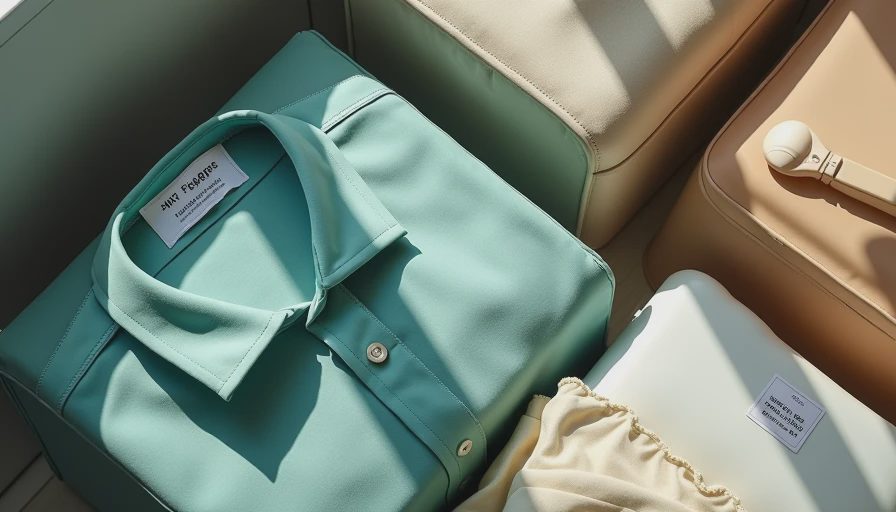
How to pack without creating creases
Even the best wrinkle free travel clothes can arrive rumpled if they are packed under a heavy toiletry bag. Start by placing shoes and denser items near the wheels of a rolling suitcase. Put softer garments in the center and structured jackets on top. Use packing cubes for small items, but do not compress delicate knits until they become a dense brick.
For shirts and dresses, fold along existing seams and place tissue paper or a thin cotton layer between folds. Tissue reduces friction, which is often what creates sharp horizontal lines. Rolling works well for stretch knits, but a woven shirt usually arrives better when folded loosely.
When you reach your destination, unpack immediately. Hang clothing near the bathroom while you take a warm shower, then smooth the fabric with your hands. A travel steamer is useful, but a hotel iron on low heat is fine for many synthetic blends. Test an inside hem first. Heat can permanently mark shiny fabrics, especially dark polyester.
What to skip, even when the marketing sounds good
Skip anything that feels papery, overly thin, or slick in a way that makes noise when you move. Those fabrics often look inexpensive after one sitting. I am also cautious with “travel blazers” that contain lots of foam or stiff lining. They may resist wrinkles, but they can be hot, bulky, and awkward over a sweater.
Pure linen remains beautiful, but it is not naturally crease resistant. That does not make it forbidden. Pack a linen-blend shirt if you like the texture and accept a relaxed look. The same goes for cotton poplin: wonderful for a destination where you can iron, less convenient when you are changing trains with a backpack.
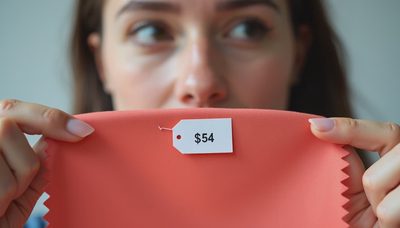
Price is not a guarantee, either. I have seen $250 pants lose their shape after one afternoon and $60 nylon trousers look polished after a full travel day. Read the fiber content, check the return policy, and look for reviews that mention sitting, washing, and drying rather than vague words like “luxurious.”
A buyer's final checklist
Before buying wrinkle free travel clothes, pinch the fabric and release it. Check whether the waistband digs in when seated. Look for pockets deep enough to hold a room key or phone. Try the garment with the shoes you plan to pack. If a jacket only works with one top, it is taking up valuable luggage space.
At home, wash the piece according to its care label and let it air-dry. Wear it for a full day before your trip. Sit at a desk, walk several blocks, and see whether the knees bag or the neckline shifts. That test tells you more than a fitting-room mirror ever will.
The smartest suitcase is not the one with the fewest garments. It is the one filled with pieces that earn their space. Choose adaptable fabrics, repeat your best combinations, and leave room for the trip itself. That is the whole point: clothes should support the plan, not become the plan. Wear it and go.



No notes yet — write the first one.