Last Saturday, I stood in my Denver kitchen wearing jeans, a cashmere sweater, and the same gold hoops I have owned for six years. Scout was barking at a squirrel, James was making coffee, and I was thinking about how much fashion industry insights can actually improve a normal morning. Not the runway kind. The useful kind: which fabrics earn their price, why certain trends arrive everywhere at once, and how to buy clothes that work beyond one Instagram photo.
After seven years buying contemporary women’s apparel for Nordstrom, I have seen thousands of garments up close. I have inspected seams, compared fabrications, negotiated costs, and watched shoppers reach for an expensive label simply because the hanger looked persuasive. Here is the honest version of fashion industry insights: style is not a test, and a bigger budget does not automatically produce a better closet.
What Fashion Industry Insights Reveal About Trends
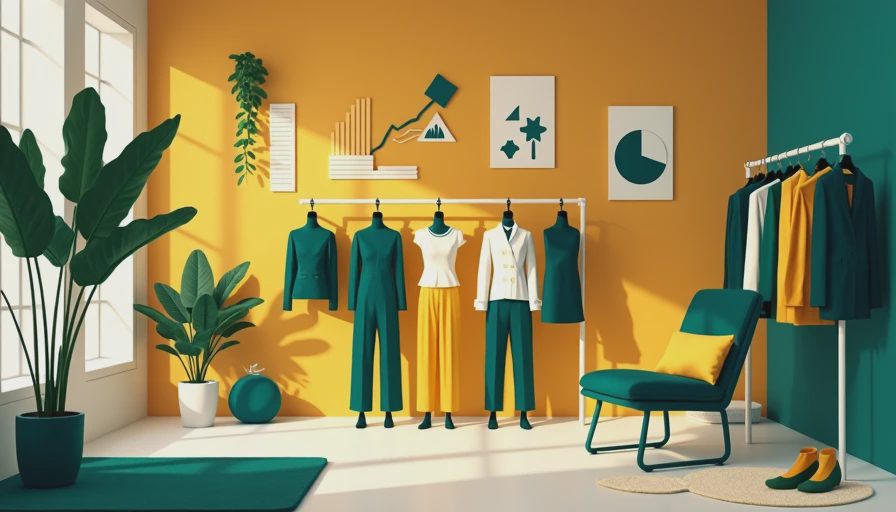
A trend usually begins as a small signal, not a single dramatic announcement. A designer collection, a celebrity outfit, a vintage reference, and a change in what shoppers are searching for can all push the same idea forward. By the time a cropped jacket or ballet flat appears in every mall window, the original inspiration has already been translated several times.
That translation matters. The runway version might use sculptural wool and careful tailoring, while a mass-market version uses polyester blend fabric and simplified construction. Neither is automatically wrong. One is designed for visual impact; the other is designed to hit a price point and move quickly. Good fashion industry insights help you see the difference without treating either choice as a moral decision.
For your own closet, ask whether the trend connects to clothes you already wear. A red cardigan that works with denim, work trousers, and a weekend skirt has a longer life than a statement item that requires an entirely new outfit. You do not need to reject trends. You just need to make them earn their space.
The Price Tag Is Not the Whole Story
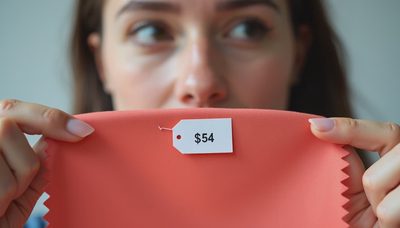
When I review a $198 blouse beside a $68 blouse, I do not begin with the brand name. I look at fiber content, stitching, lining, buttons, seam placement, and whether the garment keeps its shape after movement. Sometimes the higher-priced piece is clearly better. Sometimes you are paying for a premium location, a large marketing budget, or a logo with excellent handwriting.
Fashion industry insights are especially helpful when comparing basics. A cotton poplin shirt should feel substantial without being stiff, and its collar should recover after you fold it. A knit sweater deserves attention at the cuffs and neckline, where loose loops often appear first. A pair of trousers should have a waistband that sits securely without requiring constant adjustment. These details tell you more than a polished campaign image.
I keep a cost-per-wear note on my phone for purchases over $100. A $240 blazer worn 30 times costs $8 per wear. A $90 novelty top worn twice costs $45 per wear. That math is not a command to buy expensive clothes. It is a simple way to understand value in the life you actually lead.
How Brands Build Clothes for Real Customers
Every garment reflects a chain of decisions. The brand chooses a target price, the designer selects a material, the factory plans production, and the merchandising team forecasts how many units shoppers will buy. A label such as Madewell, Everlane, COS, or Sezane can have a distinct design language, but each still makes tradeoffs among fabric, labor, quantity, and margin.
This is where fashion industry insights can make shopping less emotional. A small-batch label may offer unusual fabric or careful finishing, but limited production can raise the price. A large retailer may offer reliable sizing and frequent promotions, while its seasonal volume can encourage simpler details. The useful question is not “Which brand is best?” It is “What does this brand consistently do well, and does that matter to me?”
Sizing is another part of the production story. A medium is not a universal measurement, and one brand’s relaxed fit can be another brand’s oversized cut. Read garment measurements when they are available, then compare them with a piece you already own. Your body does not need to adapt to a label. The garment needs to fit the life and body wearing it.
A Buyer’s Way to Read Fabric Labels
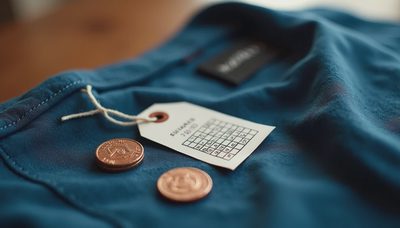
Fabric labels are not exciting, but they are honest little receipts. Cotton can feel crisp, soft, or dense depending on the weave. Linen wrinkles because of its fiber structure, not because the garment failed. Wool offers warmth and resilience, while cashmere feels luxurious but benefits from gentle care. Polyester is not automatically cheap; it can add durability, color stability, and shape retention when used thoughtfully.
Fashion industry insights become practical when you connect fiber to use. For a Denver commute, a washable wool blend can be more useful than a delicate sweater that needs constant appointments at the cleaners. For summer travel, linen-cotton can provide airflow with fewer dramatic creases. For hiking or errands, performance nylon may outperform a beautiful fabric that snags on every zipper.
Care instructions matter just as much as the fiber list. If a blouse says hand wash and flat dry, imagine whether you will actually do that on a Wednesday night. I own delicate pieces, but I buy them with a realistic maintenance plan. A garment is not a bargain if it spends the entire season waiting for attention.
Shopping With Better Fashion Industry Insights
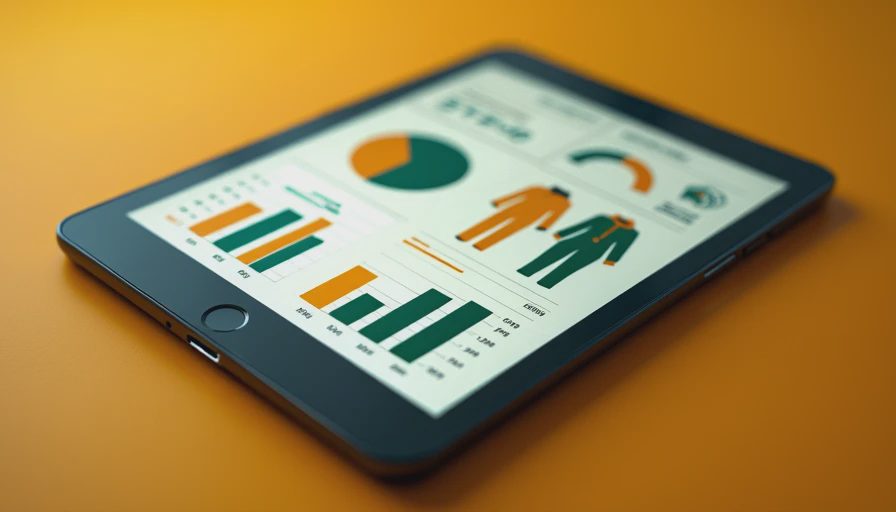
Before buying, look at the garment from three distances. First, stand close and inspect the fabric, seams, closures, and lining. Next, take a few steps and notice whether it pulls, twists, rides up, or restricts your movement. Finally, imagine three places you would wear it: work, dinner, and an ordinary Saturday. If the item only works under perfect lighting, it is probably asking too much.
My fitting-room questions are simple. Do I like this, or do I like the styling? Does it work with shoes and undergarments I already own? Can I sit, reach, walk, and carry my bag comfortably? Does the price make sense beside its likely number of wears? Those questions produce better fashion industry insights than a countdown timer or a breathless “must-have” headline.
Take photos if you need to compare options, but do not turn shopping into a research project with a spreadsheet for every tank top. The goal is clarity, not another unpaid job. Try the thing, notice your reaction, and give yourself permission to leave without purchasing.
What Fashion Industry Insights Mean for Your Closet
The best wardrobe is not the one that perfectly predicts next season. It is the one that supports the days you already have. That might mean excellent jeans, a washable dress, supportive loafers, a jacket that handles unpredictable weather, and one joyful piece that makes you grin before you leave the house.
Fashion industry insights should help you spend with intention, not create anxiety about missing the moment. Trends will keep cycling. Hemlines will rise and fall. Brands will announce new collections every few weeks. You can appreciate the creativity without treating every release as an emergency.
I still enjoy a dramatic sleeve and a questionable shoe, because clothes should be fun. I also know that the most satisfying purchases tend to be the ones that solve a real problem: a coat that works over every sweater, pants that survive a full day, or earrings that make a tired outfit feel finished. Look closely, ask better questions, and buy the version you can truly wear. Then put it on and go live your life. Wear it and go.



No notes yet — write the first one.