Last Saturday, I stood in my closet wearing the same jeans I reach for every week, a faded sweatshirt, and boots that have survived three Denver winters. Nothing was especially new, but everything felt like me. That is the appeal of small batch clothing brands: they give you a chance to buy fewer, more considered pieces without turning getting dressed into a moral exam.
After seven years buying contemporary apparel for Nordstrom, I have seen thousands of garments up close. I know when a $180 sweater is mostly clever photography and when it is likely to earn its place in your closet. Small batch clothing brands are not automatically better, but their limited production often creates room for stronger materials, closer quality control, and designs that do not feel exhausted by the time they reach your doorstep.
What small batch actually means
Small batch usually means a brand produces a limited quantity of a style rather than ordering thousands of units for a broad retail network. A label might make 30 linen dresses, 100 pairs of trousers, or a few dozen sweaters in each color. Some brands manufacture locally; others work with carefully chosen factories overseas. The phrase describes production scale, not a guarantee of ethical perfection.
That distinction matters. A tiny label can still use synthetic fabric, have inconsistent sizing, or charge more than the construction justifies. Meanwhile, a larger company can make an excellent garment. The useful question is not whether a brand is small. It is whether the company can tell you who made the piece, what it is made from, and why the price lands where it does.
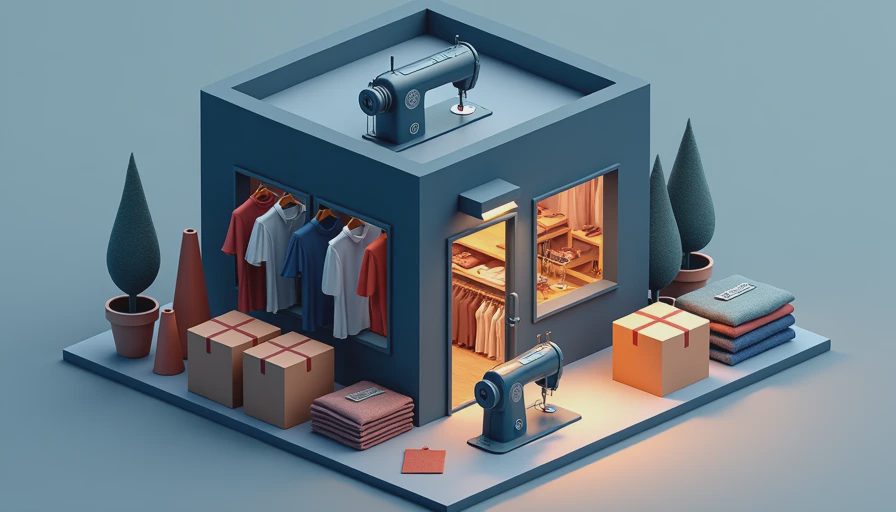
Small batch clothing brands often sell directly through their own websites, pop-ups, or a handful of boutiques. Direct sales can remove wholesale markups, though small runs also create higher pattern, sampling, and production costs per garment. You are sometimes paying for a real design process rather than a giant inventory machine.
Why the price can make sense
A $240 dress looks very different when you imagine wearing it twice than when you imagine wearing it for four summers. This is where my cost-per-wear note on my phone earns its keep. A $120 cotton shirt worn 20 times costs $6 per wear. A $55 impulse top worn twice costs $27.50 per wear, before it stretches, pills, or becomes the thing you avoid on laundry day.
Many small batch clothing brands use fabrics such as linen, organic cotton, merino wool, silk, or sturdy denim. Those fibers are not automatically superior, and a natural fiber can still be poorly spun or badly finished. Look for fabric weight, tight seams, thoughtful closures, and care instructions that match the garment’s purpose. A $190 jacket with a useful lining, clean interior finishing, and replaceable buttons can be a better buy than a $90 jacket that twists after one wash.
You do not need a closet filled with $200 basics. But if you want one beautifully made overshirt, skirt, or cardigan, compare it with the cost of replacing three cheaper versions over several years. Small batch clothing brands make the most sense when the garment solves a real dressing problem.
Brands I would put on your radar
For relaxed linen and easy natural fabrics, look at brands such as Elizabeth Suzann, Not Perfect Linen, and Sondeflor. Their clothes tend to favor uncomplicated silhouettes, useful separates, and a slower pace than trend-driven retailers. Sizes, stock, and production methods differ, so read each brand’s current information instead of assuming every item follows the same model.
For durable denim, jackets, and workwear-inspired pieces, Alex Mill and MATE the Label are worth browsing. Alex Mill is known for casual staples with a vintage-leaning feel, while MATE the Label focuses on everyday basics and publishes information about its materials and manufacturing. For knitwear, brands such as Babaa and Lauren Manoogian offer distinctive textures and relaxed proportions, although their prices deserve a cost-per-wear calculation.
Small batch clothing brands are also where you find wonderfully specific ideas: a dress with deep pockets, a cropped jacket that works over a long skirt, or trousers cut for sitting at a desk and walking to dinner. I would rather own one of those useful oddities than another nearly identical black blouse.
How to shop without guessing
Start with measurements, not your usual size. Measure a garment you already like across the chest, waist, rise, and inseam, then compare those numbers with the brand’s chart. A size medium can mean very different things across a Los Angeles studio, a New York pattern room, and a small European label. Check the finished garment measurements when they are available.
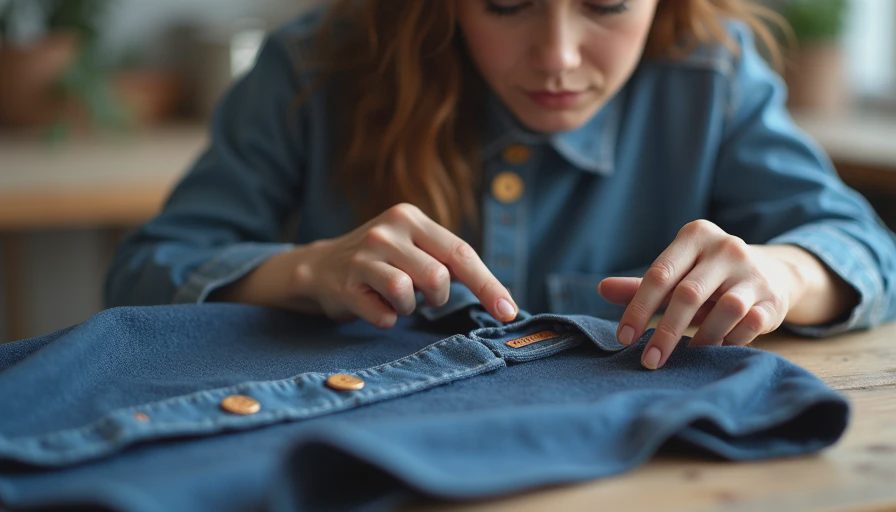
Next, inspect the product page like a buyer. Zoom in on the collar, hem, pockets, and buttons. Look for fiber content rather than vague phrases such as “premium fabric.” Read the return policy before paying, especially when a piece is made to order. A return window of 14 days is not friendly if shipping takes a week and the brand requires unworn tags.
Ask whether the company repairs, replaces, or restocks its garments. Small batch clothing brands may not have every size in every color, but a clear answer about alterations and defects tells you something about how the business treats customers. Save screenshots of the size chart and care instructions; websites change more often than your body does.
Building a small-batch wardrobe
Begin with the category that gives you the most daily frustration. If you never have a jacket for cool mornings, investigate a chore coat or unstructured blazer. If dresses sit unworn because you need pockets, search specifically for pockets, washable fabric, and a length that works with your actual shoes. This approach keeps a beautiful product from becoming an expensive closet ornament.
A simple test is to name three outfits before buying. A linen button-down might work with jeans, wide-leg pants, and shorts. A dramatic prairie dress might look fantastic online but have only one realistic setting in your week. Small batch clothing brands are at their best when their point of view adds interest without demanding a whole new wardrobe.
Also consider alterations. A $160 pair of trousers with a generous hem can become a long-term favorite after a $20 to $40 tailoring visit. Alterations cannot fix a bad rise or uncomfortable fabric, so start with the right foundation, but do not reject a great garment because the inseam is slightly generous.
The honest bottom line
Small batch clothing brands are not a magic solution to overconsumption, and “limited edition” should never pressure you into buying something you do not want. The good ones offer transparency, strong design, sensible details, and a reason to believe the garment will be useful beyond one season.
My favorite purchases from these labels are not the most dramatic. They are the cardigan I grab before a brewery patio, the pants that work for client appointments and a walk with Scout, and the cotton dress that survives a weekend suitcase. Look for clear information, inspect the construction, do the cost-per-wear math, and give yourself permission to leave the beautiful thing behind when it does not fit your life. Find the piece that does, then wear it and go.



No notes yet — write the first one.