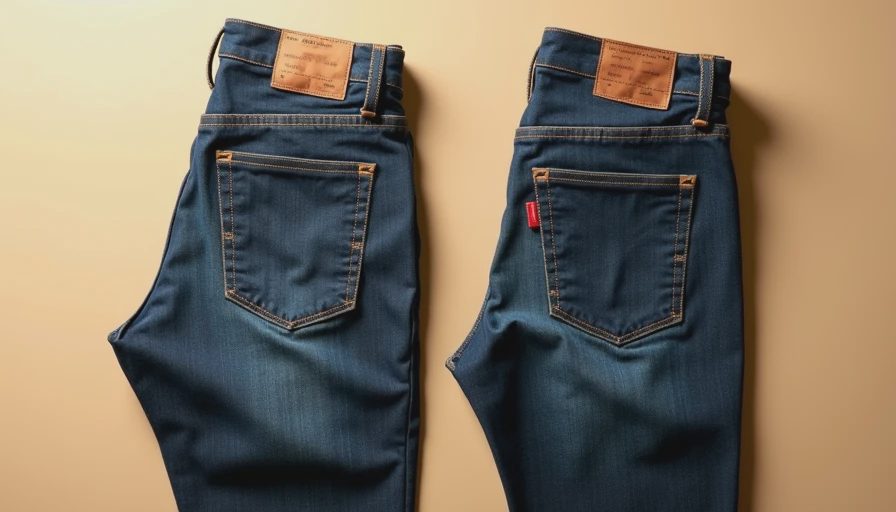
The Great Jeans Showdown
One of the most common questions I get from styling clients is whether expensive jeans are actually worth it. So I did what any former Nordstrom buyer would do — I bought two pairs of very similar-looking dark wash straight-leg jeans and put them through the wringer.
One cost $60. The other cost $200. Same color, similar cut. Let’s see what happened.
Round 1: First Impressions in the Store
The $60 Pair
Looked decent on the hanger. Nice dark wash. Felt a bit thin but acceptable. The stretch was generous.
The $200 Pair
Immediately felt heavier and more substantial. Better stitching details, nicer hardware (the rivets and button had more weight), and the fabric had a smoother hand feel.
Round 2: Fit and Comfort Test
Both fit pretty well, but differences emerged quickly:
The $60 pair had more stretch and felt softer initially, but the waistband rolled a bit after sitting.
The $200 pair had better structure while still having enough stretch. The rise stayed put, and the fabric didn’t bag out at the knees as quickly.
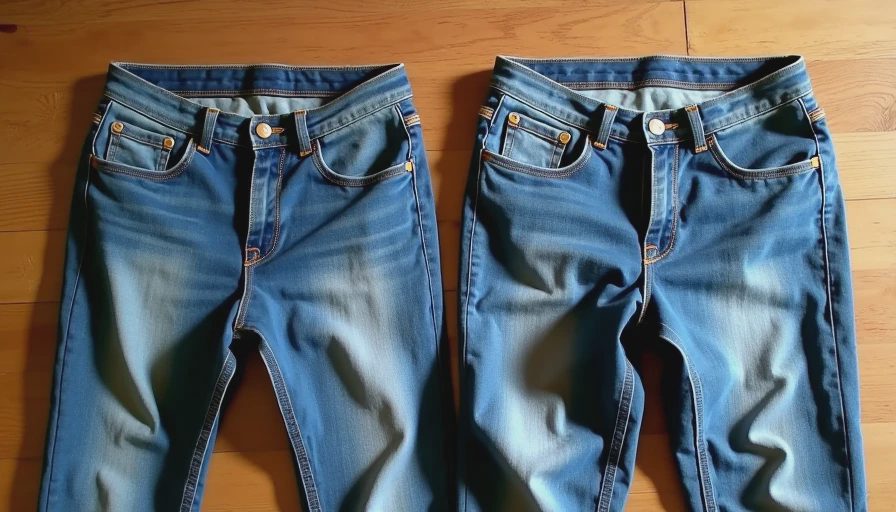
Round 3: Real Life Wear (Two Weeks of Denver Living)
I wore each pair for a full week of normal life — hiking with Scout, brewery visits, WFH days, running errands, and one pottery session.
The $60 Jeans
Started pilling slightly on the thighs after several wears
Developed some fading and whiskering faster than expected
The hems showed wear quickly
Still wearable, but clearly aging
The $200 Jeans
Held their shape remarkably well
Minimal pilling
Beautiful fading that looked intentional rather than worn out
The fabric felt better with each wear
Round 4: The Wash Test
After several washes:
$60 pair: Noticeable shrinkage in length, some color fading, and the pockets started to stretch out.
$200 pair: Maintained shape beautifully, color stayed rich, construction held strong.
What You’re Actually Paying For
The $200 Jeans Advantages
Better quality denim (heavier weight, better cotton)
Superior construction (reinforced stress points, better seam finishing)
More thoughtful hardware
Better fit consistency and retention
Longer lifespan
Where the $60 Jeans Can Still Win
Great for trend-driven styles you know you’ll only wear for a season
Perfect for teenagers or people still figuring out their fit preferences
Budget-friendly way to experiment with different cuts
My Honest Verdict After Real Testing
For everyday jeans that I plan to wear for years, I would choose the $200 pair without hesitation. The difference in how they feel, look, and last is noticeable enough to justify the extra cost.
However, I keep a few $60 pairs in rotation for messier activities or when I want something more casual and disposable.
Buyer Tips for Choosing Jeans at Any Price
Feel the weight — Heavier denim usually lasts longer.
Check the stretch — Look for 1-2% elastane maximum for better recovery.
Examine construction — Look at seams, rivets, and button quality.
Consider your habits — How often will you wear and wash them?
Buy the best fit — Even expensive jeans are a bad buy if they don’t fit well.
The Cost-Per-Wear Reality
Assuming regular wear:
$60 jeans worn 40 times = $1.50 per wear
$200 jeans worn 120 times = $1.67 per wear
The numbers get very close when you factor in longevity. And the $200 pair still looks good when the cheaper ones have been retired.
Building a Smart Jeans Wardrobe
My recommendation for most women:
1–2 pairs of investment jeans for daily wear
1–2 pairs of budget jeans for variety or rougher use
This combination gives you options without breaking the bank.
Final Thoughts From the Fitting Room
The “best” jeans are the ones that fit your body, your budget, and your lifestyle. Sometimes that means spending more. Sometimes it means being smart about more affordable options.
The important thing is knowing what you’re getting for your money.
Have you done your own jeans comparison? Tell me in the comments which price point works best for your life — I read every single one.
Wear it (and wash it) and go, friends.


No notes yet — write the first one.