Buying Guide Blouses: 10 Things a Former Buyer Checks Before She Buys
I spent seven years buying blouses for Nordstrom's contemporary floor, and I still think they're the hardest category in women's clothing. Pants have obvious waistband rules. Jeans have stretch. But a blouse can go from polished to princess in one wrong button. So let's do a proper buying guide blouses shopper can actually use—the kind I wish someone had handed me before I bought my first silk shell. This guide covers fabric, construction, fit, and the cost-per-wear math I run on every piece over $100. You don't need a blouse. But if you want one that doesn't end up in the back of the closet, here's how to buy it right.
Start with Fabric
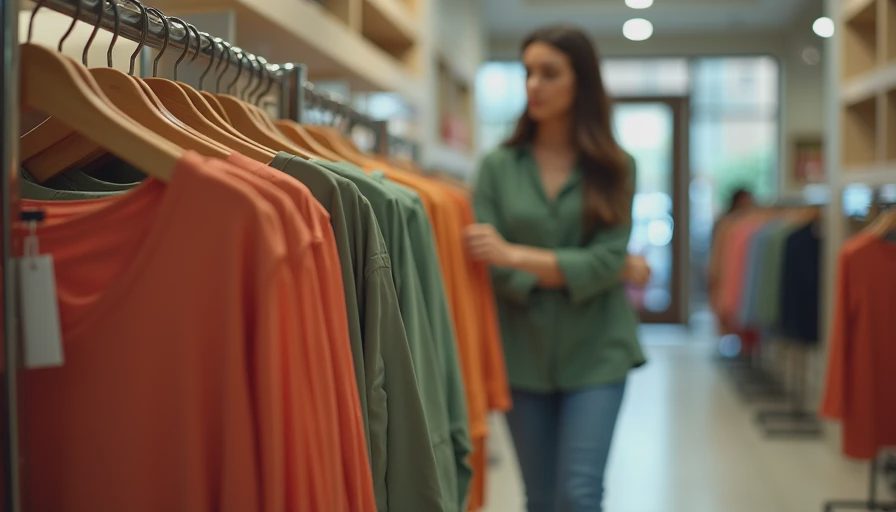
If you're working through this buying guide blouses while you stand in the dressing room, the first thing to do is read the fiber content. I saw customers ignore that label and then complain that a blouse pilled after two wears. Fabric matters more than the brand name on the tag. Cotton poplin holds its shape and resists wrinkles, which makes it a workhorse for most offices. Linen breathes but creases if you look at it sideways. Silk charmeuse drapes beautifully and feels like a treat—but it needs dry cleaning, so the cost per wear climbs. A good polyester blouse isn't automatically a bad thing. The newer microfiber blends from brands like Rails or an Eileen Fisher piece can move and breathe far better than the stiff polyesters we all remember from the early 2000s. The trick is to look for a tight weave, a slight weight, and a finish that doesn't shine. Buy the fabric you'll actually wear five times a month, not the one that looks best on a hanger.
Inspect the Construction
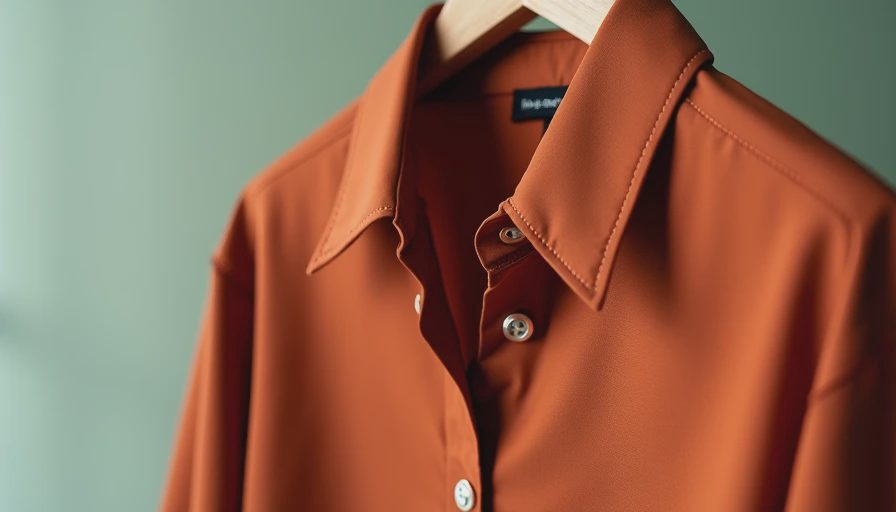
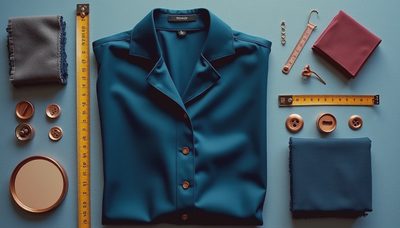
The seams tell you how long a blouse will survive. Turn the garment inside out and look at the stitching. A straight, even seam with no loose threads is a good sign. Overlocked or French seams are even better—they resist fraying and lie flat. This is the part of a buying guide blouses that most people skip, but it's where the real quality shows up. Check the buttons. Are they sewn on with a shank or just a few tight loops? Better blouses use cross-stitching and a shank so the button doesn't pop off the first time you pull it over your head. The placket is the strip of fabric that holds your buttons. If it's too thin or puckered, the front will gape. And look at the hem. A narrow rolled hem or a proper blind hem is a hallmark of a well-made blouse. A wide, sloppy hem tells you the whole piece had corners cut. I've seen a lot of "high-end" blouses fail the inside-out test. That's why I always do it.
Fit the Way You Actually Move
Fit goes beyond the size chart. A good buying guide blouses talks about fit in real life, not just in a dressing room mirror. The right blouse should let you move without pulling at the shoulders. Raise your arms above your head. If the hem rides up to your ribs, the body is too short or the armhole is too tight. Check the button closure at the bust. If there's pulling or gaping between buttons, size up or pick a style with a bit more ease through the torso. The shoulder seam should sit at the edge of your shoulder bone, not creep up your neck or fall down your arm. If you plan to tuck it in, look for a hem that's not too long and a fit that doesn't add bulk. If you'll wear it untucked, a high-low hem is more forgiving. Wear it and go.
Run the Cost-Per-Wear Math
I keep a running cost-per-wear tally in my phone for anything over $100. A blouse might be $200, but if you wear it twice a week for two years, that's about a dollar a wear. A $40 fast-fashion blouse that pills after four washes is actually more expensive. This is where a buying guide blouses separates what's worth it from what's not. If you have a white blouse for interviews and dinners out, it might earn its keep. If you already have three striped shirts, think about whether this one truly adds something new. My rule: if I can't see myself wearing it at least 30 times, it doesn't come home.
Shop With a Game Plan
Online shopping has changed the game. Nordstrom and Anthropologie make returns easy, and brands like Everlane and Madewell give clear measurements. But the best buys I've made often come from Poshmark or small boutiques where a blouse has already been worn and washed. If you're browsing a sale rack, this buying guide blouses trick helps: stick to fabric and construction, not the original price tag. A $180 blouse at $60 is still not a deal if it looks tired. And if you're in a store, do the inside-out check before you even try it on.
The Five-Second Blouse Check
Before you pay, run this list in your head. One: read the fiber content and care label. Two: turn it inside out and check the seams and hem. Three: button it up and look for pulling or gaping. Four: raise your arms and make sure the shoulders and hem move with you. Five: think about cost per wear and whether it beats something you already own. If it passes all five, take it to the register. If it doesn't, put it back. The best blouses in your closet are the ones you stop thinking about the minute you put them on. That's the whole point of this buying guide blouses — to get you to that feeling without the guesswork.

No notes yet — write the first one.