Last fall, I was standing in a Denver coffee shop behind a woman wearing a cherry-red cardigan, straight-leg jeans, and very practical sneakers. Nothing about the outfit looked like a costume, but I noticed it immediately. A few weeks later, versions of the same color and shape were everywhere. If you have ever wondered how fashion trends actually start, that cardigan is a useful clue: trends usually begin as a conversation between designers, buyers, culture, retailers, and regular people getting dressed for ordinary days.
The old story says a designer presents a collection, a magazine announces the next big thing, and the rest of us obediently shop. I spent seven years buying contemporary apparel for Nordstrom, and the real process is less tidy and much more interesting. A trend is not a command from a fashion tower. It is a pattern that gathers momentum.
How fashion trends actually start on the runway
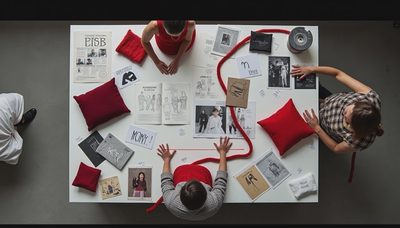
Designers are often the earliest visible link in the chain. They respond to art, music, politics, architecture, travel, vintage clothing, and the mood of a season. A collection might include oversized tailoring because the designer is exploring authority and ease, or sheer layers because they are interested in transparency and movement. Sometimes the inspiration is less dramatic: a designer notices that customers are tired of rigid denim and wants to offer softer proportions.
Runway clothing is not always designed for direct translation. A dramatic sculptural coat can become a rounded shoulder on a mall jacket. A full-length sheer skirt can become a translucent panel on a slip dress. Buyers and product teams take the visual idea, then ask practical questions: Can someone sit in it? Can a factory produce it consistently? Will it work at $89, $189, or $900? That translation is where a runway message starts becoming a retail trend.
I have seen hundreds of samples up close, and the trendiest piece is not automatically the most useful one. Construction, fabric recovery, lining, pocket placement, and care instructions matter more than a runway photo suggests.
Buyers decide what gets a real chance
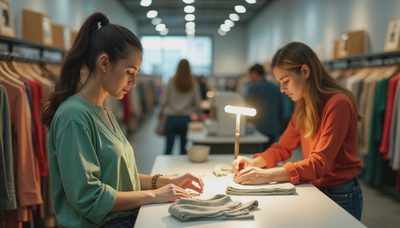
Retail buyers are trend filters. They attend market appointments, review line sheets, study previous sales, and compare a new item with what customers already buy. Their job is not simply to choose beautiful clothes. It is to decide which ideas deserve inventory, floor space, marketing dollars, and a place in your email inbox.
This is one answer to how fashion trends actually start: a small group of professionals makes repeated bets on the same visual language. If several brands show relaxed trousers, textured knits, and warm brown shades, a buyer may build a seasonal assortment around those signals. One store might carry a $58 wide-leg pant from Madewell, a $198 version from a contemporary label, and a tailored pair near $400. The trend becomes easier to see because the customer can encounter it at several prices.
A buyer also watches what sells, not just what photographs well. If a slightly shorter jacket sells through twice while an extreme cropped version sits, the next delivery often shifts toward the wearable proportion. That is why commercial clothing can look familiar without being boring. Retail quietly edits the fantasy.
Street style turns an idea into evidence
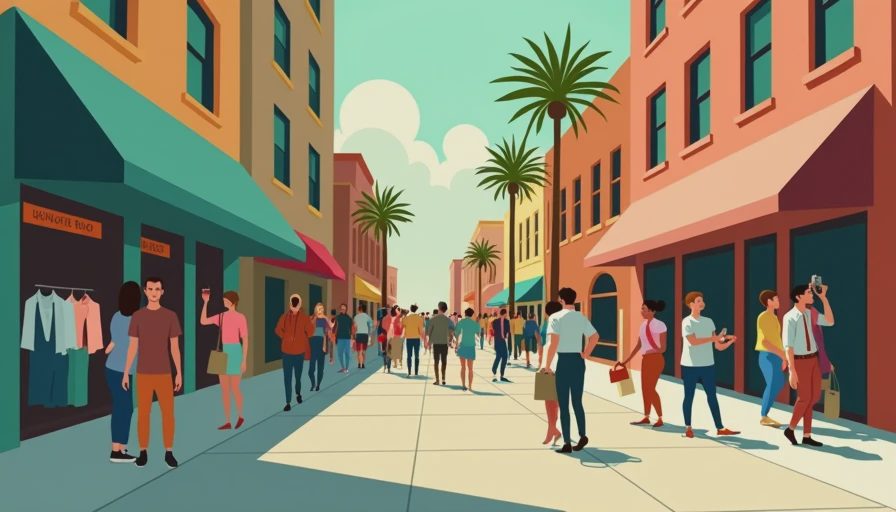
Fashion trends become convincing when people wear them outside controlled images. Street style is not only a photographer waiting outside a show. It includes a teacher pairing a rugby shirt with trousers, a parent wearing a denim maxi skirt with boots, or someone on the light rail making a vintage jacket look completely current.
This is another part of how fashion trends actually start: people borrow an idea, adjust it to their weather and routine, and show other people that it works. In Denver, a trend has to survive a sunny morning, a cold evening, and a walk across a parking lot. That tends to reward layers, sturdy shoes, useful outerwear, and fabrics that do not require emotional support.
Social media speeds up the process. Instagram stylists, YouTube creators, and TikTok users can make a small styling trick visible to millions of people within days. A creator might demonstrate five ways to wear a button-down, and suddenly the shirt is not just office clothing. It becomes a layering piece, a beach cover-up, or a jacket over a tank.
The catch is that algorithms show repetition, not necessarily importance. Seeing a shoe twenty times does not mean you will enjoy wearing it for eight hours.
Culture and technology push trends forward
Some trends begin outside fashion entirely. A popular television series can revive a particular decade. A musician can make a jacket silhouette feel current. New fabric technology can make a familiar shape lighter, stretchier, warmer, or easier to wash. Economic pressure can also change what people want. When wardrobes need to work harder, customers often look for pieces that cross between work, travel, errands, and dinner.
Search behavior adds another layer. Retailers monitor which colors, categories, and phrases shoppers are exploring. They also look at abandoned carts, returns, repeat purchases, and regional differences. If people search for linen pants but return them because of transparency or fit, the next version may include a lining, a heavier weave, or a different rise. That data does not create desire by itself, but it helps companies decide which desire is worth producing at scale.
This explains how fashion trends actually start in the modern marketplace: culture creates the feeling, designers give it a shape, creators demonstrate it, and data tells retailers whether enough people will pay for it.
How fashion trends actually start in your own closet
You are not merely receiving trends. You help select them every time you wear something, recommend it, return it, or ignore it. A trend becomes durable when it solves a real dressing problem. The best wide-leg pants, for example, are not successful only because they look current. They give some people room, movement, and a different proportion from skinny jeans.
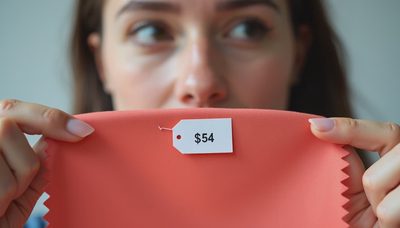
Before buying, ask what problem the item solves. Can you wear it with at least three things already hanging in your closet? Does the fabric feel good against your skin? Will the care routine work with your actual laundry habits? If a $160 jacket gets worn 40 times, it costs $4 per wear before resale value. A $45 impulse top worn once is not automatically the economical choice.
You also do not need to adopt the full trend. Take one element instead. Try a brown belt, a striped knit, or a softly structured bag before committing to a head-to-toe look. Personal style is often the result of choosing the useful 20 percent and leaving the theatrical 80 percent on the rack.
How to shop when a trend catches your eye
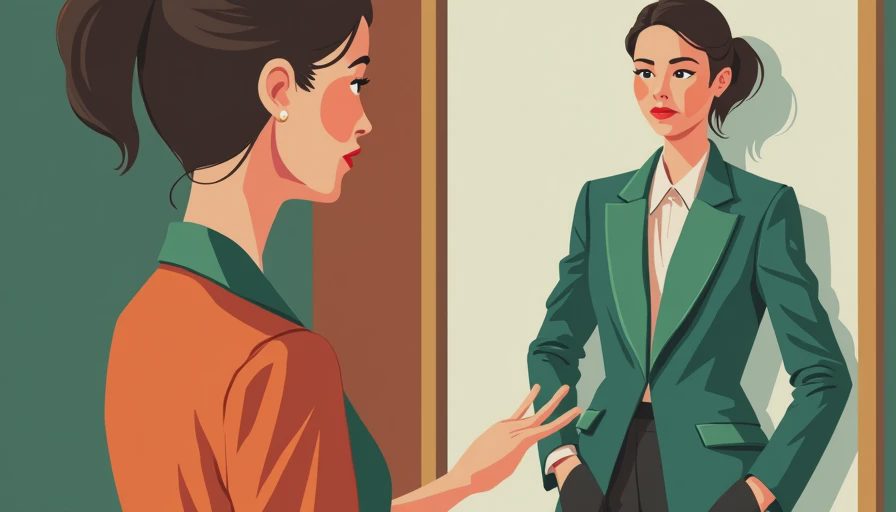
Start by identifying the specific detail you like. Is it the color, the volume, the texture, or the styling? Then look at three versions at different prices. Compare the seams, fabric weight, closures, and return policy rather than assuming the most expensive option is best. A $120 cotton jacket with clean stitching may outperform a $300 jacket with a famous label and flimsy hardware.
Give the idea a short waiting period if you are unsure. Save a photo, then check whether you can imagine wearing it on a normal Tuesday, not just on vacation or at a party. Consider your climate, commute, shoes, and tolerance for maintenance. In my own closet, the pieces with the highest cost per wear are usually the ones that looked exciting in a fitting room but required an entirely new supporting cast.
The useful question is not only how fashion trends actually start. It is whether a particular trend has somewhere to go in your life. If it does, buy the best version your budget supports and wear it without apology. If it does not, enjoy the image and move along. There will be another one soon. Wear it and go.
No notes yet — write the first one.