Last Saturday, I stood in my Denver bedroom wearing one boot, three jackets, and the expression Scout gets when he knows a hike is being discussed but nobody has picked up the leash. I was dressing for coffee, errands, and an afternoon of pottery, which somehow became a referendum on my entire closet. This is where demystifying the fashion industry becomes useful. Clothes are not a personality test, and a new season does not require a new identity.
I spent seven years buying contemporary women's apparel for Nordstrom, so I've seen thousands of garments up close. I've felt the difference between a sturdy cotton blouse and one that only looks substantial online. I've read line sheets, compared wholesale prices, negotiated assortments, and watched a trend move from runway novelty to mall rack to clearance bin. The industry is less mysterious once you understand who is making the decisions and where your money goes.
What a fashion trend really is
A trend usually begins as a visual idea, a fabric direction, a color story, or a shape that gains attention among designers, stylists, buyers, and editors. It does not arrive because every woman suddenly needs the same jacket. Retailers place orders months before clothing reaches a store, then marketing turns those decisions into a season's supposed must-haves.
That timing explains why a style can feel unavoidable in September and strangely dated by February. Brands need a reason for customers to return, while shoppers need clothes that suit their actual schedules. Demystifying the fashion industry means separating a commercial calendar from your personal one. If wide-leg trousers work with your commute, your shoes, and your comfort preferences, wear them. If a micro trend makes you tug at your hem all day, it has failed its only important test.
You do not need to reject trends completely. Choose the portion that fits your life: a current color in a familiar sweater, a modern bag with old jeans, or a fresh shoe shape that still lets you walk three blocks to dinner.
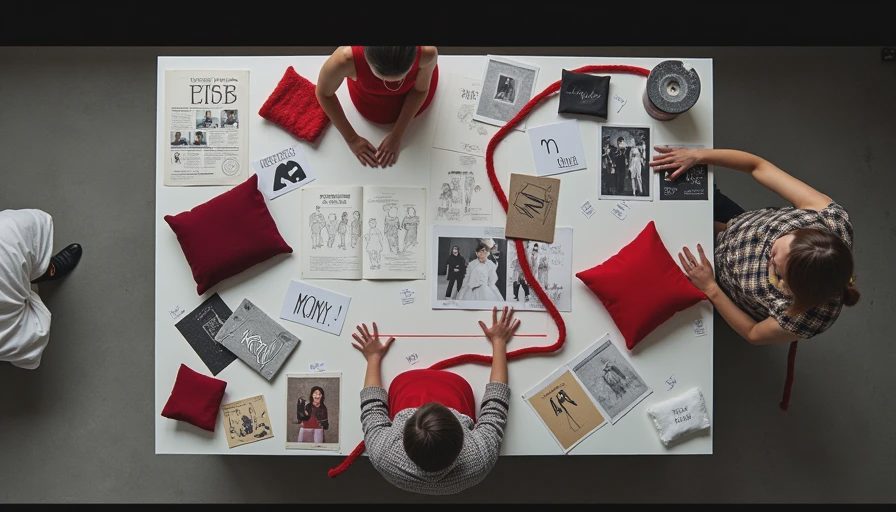
Where the price tag comes from
A $180 dress is not automatically a $180-quality dress, and a $45 dress is not automatically a bargain. The retail price covers more than fabric. It can include design work, samples, pattern development, labor, freight, import costs, rent, payroll, photography, packaging, marketing, returns, and the retailer's margin. A small label producing 300 dresses will face very different costs from a giant company producing tens of thousands.
Still, price is not a quality guarantee. I have inspected $250 blazers with weak lining and $90 cotton shirts with excellent seams, useful buttons, and fabric that improved after washing. When demystifying the fashion industry, I start with construction rather than prestige. Look at the inside seams, the weight of the fabric, the placement of stripes or prints, the function of the pockets, and whether the garment keeps its shape after movement.
My favorite purchase math is cost per wear. A $240 wool coat worn 60 times costs $4 per wear. A $70 party top worn twice costs $35 per wear. Neither number determines whether you should buy something, but the comparison makes the decision clearer. A purchase earns its place through use, not a dramatic sale sticker.
How buyers decide what reaches the rack
A buyer is balancing taste, sales history, store space, customer feedback, and a budget that is never unlimited. We ask whether a color works with the rest of an assortment, whether the fit is likely to serve enough customers, and whether the price makes sense beside competing products. We also consider delivery dates, inventory risk, and what sold last season.
That process can create the illusion that every item on a rack is a carefully chosen essential. It is not. A store carries options, including experiments, impulse pieces, promotional products, and styles designed to create excitement rather than become lifelong favorites. Demystifying the fashion industry helps you shop with agency. You are allowed to admire a sequined skirt without buying it, and you are allowed to buy the same black cardigan again because the first one made Tuesday easier.
When I shop, I ask three practical questions: Can I name at least three outfits with what I own? Will I reach for it on an ordinary week? Does the fabric and construction justify the price? If the answers are vague, I leave it for a day.
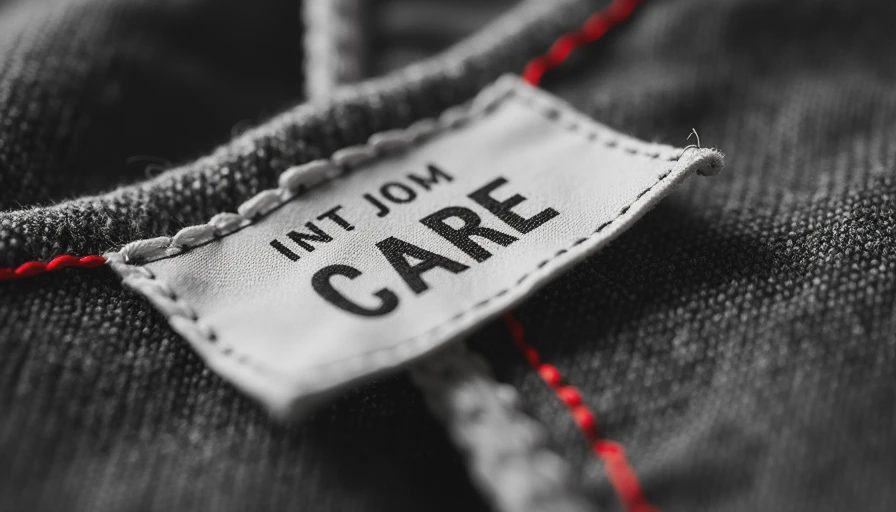
Quality clues you can spot in five minutes
Start with the fabric label. Natural fibers are not automatically superior, and synthetics are not automatically bad. A well-made polyester blouse can resist wrinkles and travel beautifully, while an inexpensive linen piece can become misshapen after one wash. The goal is to match the material to the job.
Next, inspect stress points. Pull the fabric gently near the buttons, waistband, and underarm. Excessive gaping, loose threads, or puckering suggest rushed construction. Try sitting, reaching forward, and raising your arms. A garment that only works while you stand perfectly still is not a practical success, no matter how good the mirror lighting is.
Check care instructions before buying. A $120 blouse that requires frequent professional cleaning could cost more than its tag suggests. If you want machine-washable clothing, look for clear instructions and test the first wash according to the label. Good clothes still need reasonable care, but they should not turn a normal week into a textile emergency.
Sustainability without the guilt spiral
Sustainable shopping is often presented as a moral performance, which helps nobody who needs a dress for a wedding or a pair of jeans that fits today. The most useful approach is to buy fewer pieces you can realistically wear, repair small problems, wash thoughtfully, and pass along items responsibly when they no longer serve you.
Demystifying the fashion industry also means acknowledging that labels such as recycled, conscious, and responsible can describe specific practices without making an entire brand perfect. Read the fiber content, production information, and return policy. Look for durable construction and transparent details rather than relying on a green-colored campaign image.
Secondhand stores, clothing swaps, resale platforms, and local consignment shops can stretch a budget, but they still deserve the same inspection as new merchandise. A $35 used jacket with a broken zipper is not a bargain. A $65 pre-owned wool coat that fits well and has years left can be one of the smartest things in your closet.
A calmer way to shop each season
Before opening a shopping app, look at your next two weeks. Maybe you need office layers, comfortable shoes for travel, or a jacket for Denver's unpredictable spring. Write that need down. Then shop your closet first and photograph combinations you already like. This prevents the familiar trap of buying a fifth version of something while the actual gap remains unsolved.
Set a spending ceiling and leave room for alterations. A $12 hem can rescue trousers you would otherwise ignore, while a $300 pair that never feels right remains expensive clutter. Try on more than one size without attaching meaning to the number. Sizing is inconsistent across brands, and your body is not the problem to solve.
Finally, give yourself permission to stop. You do not need to understand every runway collection, follow every influencer, or own the season's approved silhouette. Demystifying the fashion industry should leave you more curious and less pressured. Buy the coat you will wear walking Scout, the jeans that let you sit comfortably, or the earrings that make a plain sweater feel like yours. Then wear it and go.


No notes yet — write the first one.