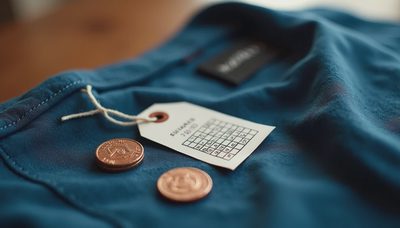
Last winter, I found a beautiful wool-blend sweater at a Denver consignment shop. The color was perfect, the shoulders sat just right, and the price was $38. Then I checked the small white tag inside the side seam. Dry clean only. Suddenly, the bargain looked more like a future errand. Learning how to read garment labels helps you spot those details before your money and closet space are committed.
After seven years buying women's clothing for Nordstrom, I can tell you that a label is not boring fine print. It is the garment's instruction manual, materials list, and occasionally its warning label. You do not need to memorize every laundry symbol. You do need a reliable way to understand what you are buying.
Start with the fiber content
The fiber label tells you what the garment is made from, usually by percentage. A shirt marked 100% cotton will generally feel breathable and comfortable in warm weather, but it can shrink or wrinkle more than a cotton-polyester blend. A sweater with 70% wool and 30% nylon may hold its shape better than pure wool and often costs less, while still providing warmth.
Here is how I read garment labels when comparing two similar pieces. First, look at the dominant fiber. Then check the smaller percentages, because five or ten percent can change performance. Elastane, also called spandex or Lycra, adds stretch. A small amount of nylon can improve durability. Rayon, viscose, and modal tend to create a soft, fluid drape, but some versions require gentler washing.
Fabric names also deserve a little skepticism. “Cashmere feel” is not the same as cashmere. “Silky” describes texture, not necessarily silk content. The legally required fiber percentages tell you more than the poetic name on the front of the sweater. If a $180 cardigan is mostly acrylic, that is useful information, not a reason to feel guilty about skipping it.

Decode the care symbols
The care label tells you what heat, water, agitation, and chemicals the garment can tolerate. A wash tub means washing is allowed; the number inside it indicates the maximum water temperature in Celsius. One line beneath the tub suggests a permanent-press cycle, while two lines call for a gentler cycle. A hand inside the tub means hand washing, not “throw it in on delicate and hope.”
A triangle relates to bleach. A crossed-out triangle means no bleach, including many oxygen-based products. A square describes drying. A circle inside the square means tumble drying is allowed, with dots indicating heat level. An iron symbol shows ironing guidance, and dots again indicate temperature. A crossed-out iron means heat can damage the fabric or its finish.
The circle symbol refers to professional cleaning. One circle usually means dry cleaning is permitted, while a crossed-out circle means do not dry clean. Some labels use letters inside the circle for professional cleaners rather than home laundry instructions. When how to read garment labels becomes confusing, focus on the crossed-out symbols first. They identify the methods most likely to cause damage.
Find the garment's real maintenance cost
A $45 polyester blouse that goes into the washer can be less expensive to own than a $120 silk blouse that needs professional cleaning every few wears. That does not make silk a bad purchase. It means the sticker price is only part of the math.
For a realistic estimate, consider frequency. If dry cleaning costs $8 to $15 per item in your area and a dress needs cleaning four times a year, that adds roughly $32 to $60 annually. A coat may justify that cost because it gets many wears over several seasons. A delicate trend piece you wear twice is a different calculation.
When I read garment labels, I ask whether the care routine matches the life I actually lead. Will I wash this after a sweaty commute? Do I want to hand wash it on Sunday night? Is there room on my drying rack? A gorgeous garment that stays in the hamper is not earning its closet space.
Check construction and lining details
Labels can reveal more than fiber content. Look for phrases such as fully lined, partially lined, bonded, garment washed, or brushed. A lining can improve comfort and help a skirt or jacket hang smoothly, but polyester lining may feel warm in summer. “Unlined” is not automatically cheap; linen trousers are often intentionally unlined for breathability.
Also check whether the label lists shell and lining fibers separately. A jacket may have a wool shell but a polyester lining, while a dress may be viscose outside with a cotton lining. Those distinctions affect how the item feels against your skin, how it moves, and how it should be cleaned.
Construction clues matter at the rack. If the fabric is light colored, hold it toward the store lighting and inspect transparency. Look inside at seam finishing, zipper tape, button attachment, and pockets. A label cannot tell you everything, but it can point you toward the places worth examining.

Understand size, fit, and country of origin
The size on the label is a starting point, not a verdict about your body. A medium from Madewell, COS, and a small independent designer may fit three entirely different ways. Cut, fabric stretch, and intended silhouette matter more than the letter or number. Try the garment on and move your arms, sit down, and check whether the closures stay comfortable.
Country-of-origin information tells you where the garment was made or assembled. It does not automatically determine quality. A well-made garment can come from many places, and a poorly finished one can carry a prestigious-sounding origin label. Use that tag as context, then judge the actual fabric and construction.
If a garment has multiple labels, separate the information. The brand tag identifies the maker. The size tag gives a reference point. The fiber tag explains materials. The care tag protects your investment. How to read garment labels well means looking at the whole set rather than letting one marketing phrase make the decision.
A quick label-reading routine
Before buying, take thirty seconds to run through this list:
- Read the fiber percentages, not just the fabric name on the hangtag.
- Identify the required washing and drying method.
- Notice whether the garment needs ironing, steaming, or professional cleaning.
- Check lining and trim materials if your skin is sensitive.
- Compare the care routine with your schedule and budget.
- Inspect seams, closures, and fabric recovery in the fitting room.
- Photograph the care label if you are buying secondhand and want to research it later.
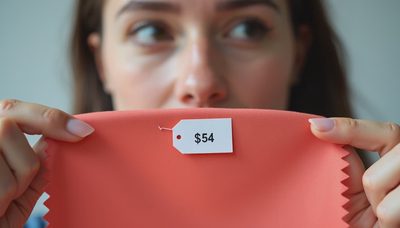
This routine is especially useful during sales, when the excitement of a 40% discount can crowd out practical questions. A $90 blazer marked down to $54 is only a deal if you will wear and maintain it. Otherwise, it is a $54 lesson in reading tags sooner.
Make the label work for your wardrobe
Once you know how to read garment labels, shopping gets calmer. You can compare a washable wool blend with a dry-clean-only version, decide whether linen's wrinkles fit your style, and recognize when a soft texture comes from inexpensive synthetic fibers rather than luxury material. None of this requires buying the most expensive option.
My favorite purchases are usually the ones with honest materials, sensible care instructions, and construction that supports real life. The label does not make the final decision; you do. But it gives you facts before the dressing-room glow wears off.
Next time you are holding a promising jacket or pair of trousers, turn it inside out and read the tag. Give yourself one quiet minute to understand the fiber, care symbols, fit reference, and maintenance cost. That small habit can save money, reduce laundry frustration, and help your clothes stay in rotation longer. Read the label, choose what fits your life, and then wear it and go.



No notes yet — write the first one.