Last fall, I stood in a Denver fitting room wearing a beautiful silk blouse that looked perfect under retail lighting. Then I lifted my arms. The side seams climbed, the buttons pulled, and the fabric showed every line of the camisole underneath. That five-minute fitting taught me why what to look for in a blouse before buying matters more than a pretty hanger display. A blouse can be lovely and still be wrong for your actual life.
After seven years buying contemporary apparel for Nordstrom, I have inspected thousands of tops from the inside out. The good ones are not necessarily the most expensive. They simply make sense: the fabric suits the purpose, the seams sit where they should, the fit allows movement, and the care instructions do not turn Tuesday laundry into a personal crisis. Here is the dressing-room checklist I use for myself and my clients.
Start with the fabric, not the trend
Touch the blouse before you study the color. Hold the fabric near a window or phone flashlight and check how transparent it is. A little sheerness can be intentional, but unexpected transparency often means you will need a special bra, camisole, or careful layering. If you are paying $120 for a white cotton blouse and can clearly see the tag through it, that is useful information, not a styling challenge.
Look for a fabric with enough weight to hang cleanly without feeling stiff. Cotton poplin works well for office shirts and warm-weather weekends because it has structure and breathes. Silk charmeuse feels fluid and polished, while polyester satin can offer a similar appearance at a lower price but may hold heat and show wrinkles differently. Rayon and viscose drape beautifully, though they can shrink or lose shape if washed carelessly. Linen brings texture and airflow, but it will crease. None of these traits is automatically a problem; the question is whether they match how you dress.
Scrunch a small section in your hand, then release it. If the fabric stays crushed after a few seconds, imagine it after a commute, a car ride, or four hours at a desk. I love linen, but I do not pretend it will look freshly pressed after walking Scout around the block.
Check the fit while you move
A blouse should work beyond the one pose you make in a fitting room mirror. Reach forward, raise both arms, sit down, and cross your arms over your chest. Watch the shoulder seams. They should generally land near the end of your shoulders, unless the design is intentionally dropped or oversized. If the blouse pulls across the back or the armholes dig in, a larger size may not solve the problem; it might simply add excess fabric everywhere else.
Check the bust area without judging your body. Buttons that gape, horizontal strain lines, or a placket that twists are construction and fit signals. Try the blouse with the bra you are likely to wear, because a fitted top can change dramatically with a padded or unpadded style. For a wrap blouse, bend and reach to see whether the front stays secure. For a cropped blouse, sit down and check whether the hem lands where you expected.
The best answer to what to look for in a blouse before buying is often movement. If you can type, drive, carry groceries, and lift your arms without adjusting the garment every few minutes, you are much closer to a useful purchase.
Inspect the details that reveal quality
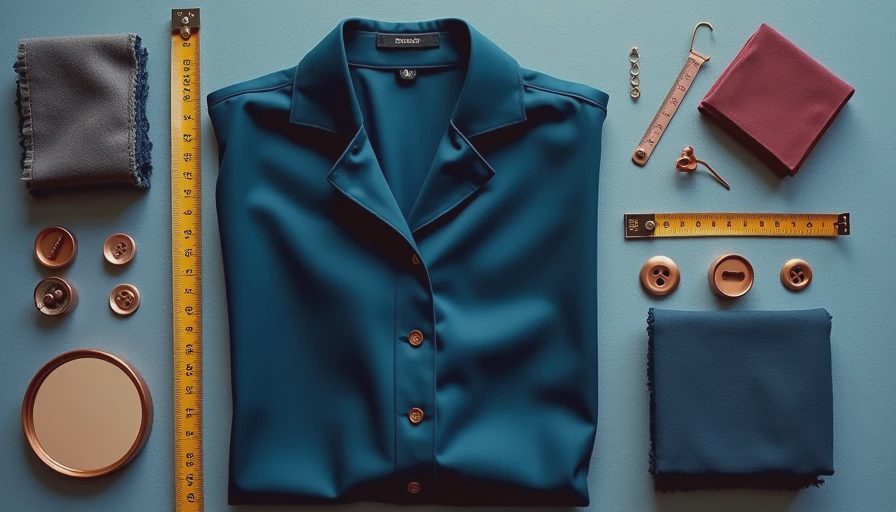
Turn the blouse inside out if the store allows it. You do not need to be a tailor; you just need to notice whether the garment looks thoughtfully finished. Seams should lie flat, stitching should be reasonably even, and loose threads should be limited rather than dangling from multiple points. A few stray threads are fixable. A seam that is already puckering on a new blouse suggests more trouble after washing.
Look closely at the buttons. Are they securely attached? Is there a spare button sewn into the care label or side seam? On a button-front style, the buttonholes should be cleanly finished and appropriately sized. If the blouse has a print or stripe, see whether the pattern lines up at the center front, pocket, and side seams. Perfect matching is not essential on every casual top, but obvious mismatching can make a $40 blouse look careless.
Cuffs and collars deserve attention too. A collar that collapses immediately may be exactly right for a relaxed look, but it will not give you a crisp shirt silhouette. Check whether the collar points sit evenly and whether the cuffs close comfortably over your watch or bracelet.
Consider the real cost per wear
Price is only one part of value. A $35 blouse worn twice costs $17.50 per wear before considering the time spent returning it or finding something to replace it. A $140 blouse worn 30 times costs about $4.67 per wear. That does not mean the expensive option is always smarter. It means you should ask where, when, and how often you will wear it.
Picture three outfits before buying: one for your regular workday, one for a casual lunch, and one for a dinner or event. If the blouse works with jeans, tailored pants, and a skirt you already own, it has a better chance of earning its hanger space. If it only works with the exact pants, shoes, and earrings shown online, the styling may be doing more work than the garment.
Color matters here. A saturated trend shade can be fun, but a cream, navy, soft blue, black, or print that connects with your existing wardrobe often gets more mileage. You do not need another neutral if neutrals bore you. You do need an honest plan for wearing the color you choose.
Read the care label before you fall in love
Care instructions are part of the purchase, not an afterthought. “Dry clean only” can be perfectly reasonable for a silk blouse you wear occasionally, but it adds both money and scheduling to ownership. Depending on your cleaner and location, a single blouse cleaning can easily cost several dollars or more. Washing a delicate item at home may be possible, but only if you are willing to use cool water, gentle detergent, and flat or shaped drying.
Watch for fabrics that require special handling. Silk can water-spot, viscose can shrink, and dark dyes may bleed during early washes. If you are buying for travel, choose something that can survive a sink wash and dry overnight, or accept that it belongs in the suitcase only when you have a backup plan. My own rule is simple: if I already know I will ignore the care label, I do not buy the blouse.
This is another reason what to look for in a blouse before buying includes the label. The prettiest top in your closet is not useful if it stays there because laundry feels intimidating.
Use a five-minute final check
Before paying, try the blouse on one more time with your usual undergarments. Look at the neckline from the side, inspect the hem in a seated position, and check whether the fabric clings in places you did not expect. Take a quick photo from the front and back if the store permits it. Mirrors can be flattering, familiar, or oddly angled; a photo gives you another perspective without turning the process into a courtroom hearing.
Ask yourself what to look for in a blouse before buying one final time: Does it feel good against your skin? Can you move? Do the construction and price make sense? Will you care for it honestly? Can you name at least three outfits using clothes already in your closet? If the answers are yes, you have probably found a blouse worth wearing rather than merely admiring.
You do not need the perfect top, and you do not need to shop every trend cycle. Find the blouse that supports the day you actually have, whether that means a client meeting, school pickup, patio dinner, or a Saturday pottery class. Make the purchase, stop fussing with it, and wear it and go.



No notes yet — write the first one.