Why Most People Ignore Labels
We check the price tag and maybe the size, then move on. But the real story of a garment is hiding in that small white label inside. Learning to read it properly saved me (and my clients) from so many disappointing purchases.
Here’s my former buyer’s cheat sheet for decoding labels like a pro.
The Fabric Composition Breakdown
This is the most important part. Look for these clues:
Natural Fibers (Generally Better)
100% Cotton, Wool, Linen, Silk, Cashmere
Blends with high percentages of natural fibers
Synthetic Red Flags
100% Polyester (unless it’s a specific technical piece)
High acrylic content (pills easily)
Cheap nylon blends
Sweet Spot Blends
Cotton with 2-5% spandex for stretch
Wool with a bit of nylon for durability
Tencel or Modal for softness and drape
Construction & Care Secrets
Care Instructions Tell You Everything
“Dry clean only” = High maintenance (and expensive)
“Machine wash cold, lay flat to dry” = Usually good quality
“Do not tumble dry” on everything = Expect shrinkage or shape loss
Country of Origin Matters (Sometimes)
It’s not as simple as “Made in Italy = good.” Many excellent factories exist in Vietnam, Portugal, and Turkey. But I still pay attention and cross-reference with brand transparency reports.
The Hidden Details That Matter
Fiber Weight & Quality
Labels rarely tell you the full story, but:
Higher GSM (grams per square meter) usually means better quality for knits
Look for “Pima” or “Supima” cotton for premium tees
“Italian wool” or “Japanese denim” are worth noting
What’s Missing Is Also Important
No information about ethical manufacturing? No transparency about sourcing? That tells you something too.
My Quick Label Decision Framework
Read the fiber content first — Is it mostly natural or cheap synthetics?
Check care instructions — Am I willing to do what it requires?
Look for special claims — OEKO-TEX, Fair Trade, regenerative materials
Consider the brand track record — Have their other pieces held up?
Do the math — Will the expected lifespan justify the price?
Real Examples from My Closet
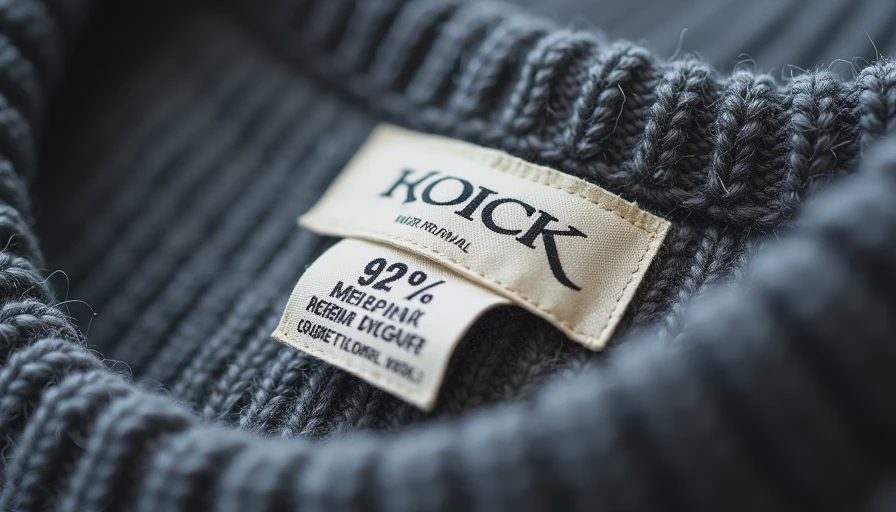
The Winner: A $128 merino wool sweater (92% merino, 8% elastane). Machine washable. Still looks great after two years.
The Regret: A $68 “silk” blouse that was actually 70% polyester. Looked cheap after two washes.
Pro Tips Only Buyers Know
Feel the fabric and read the label — they should match
Check the care label for hidden details about shrinkage
Look inside seams for quality construction clues
Research the brand’s other products if it’s a new-to-you label
Take a photo of the label before removing it
How This Changes Your Shopping
Once you start reading labels properly, you’ll make fewer mistakes. You’ll spot the $60 jeans that will last versus the $200 ones that won’t. You’ll avoid high-maintenance pieces that will sit unworn in your closet.
The Bottom Line
Great clothes start with great materials and construction. The label is your first (and sometimes only) chance to see what you’re actually buying before you get it home.
Take the extra 30 seconds to read it. Your future self — and your bank account — will thank you.
What’s the most surprising thing you’ve learned from reading garment labels? Share in the comments — I’m always learning new things too.
Wear it (after checking the label) and go, friends.


No notes yet — write the first one.