Let me start with the confession I make to every client: I used to hate blazers. They felt like shoulder pads and job interviews. Then I spent seven years as a Nordstrom buyer and saw enough good ones up close to change my mind. Honestly, how to style a blazer comes down to three things: fit, context, and what you're willing to let it do for you. Wear it and go, right?
Start With the Right Fit, Not the Trend
Before you think about outfits, look at the jacket itself. A blazer should hit around your hip bone, not your thighs. The shoulder seam should land right at the edge of your shoulder, not an inch past it. If the button pulls when you sit or when you cross your arms, size up. If you're between sizes, a tailor can take in the waist for $20 to $40 — that's the cheapest thing you can do to make an off-the-rack piece look custom. I own a cropped style from Everlane and a more structured one from Veronica Beard. Both are expensive per wear, but I've had them for years. The key is to buy a blazer that feels like a cardigan, not a suit jacket. It should be soft enough to touch, with a little bit of stretch, so you actually want to keep it on.
I know that sounds basic, but it's the thing that actually matters. When you sit down in a blazer that fits, you forget it's on. You reach across a table for a coffee, you carry a kid on your hip, you stand at a brewery and someone asks if you just came from work. The right fit makes the whole process easier. Once you have that, the styling is almost automatic.
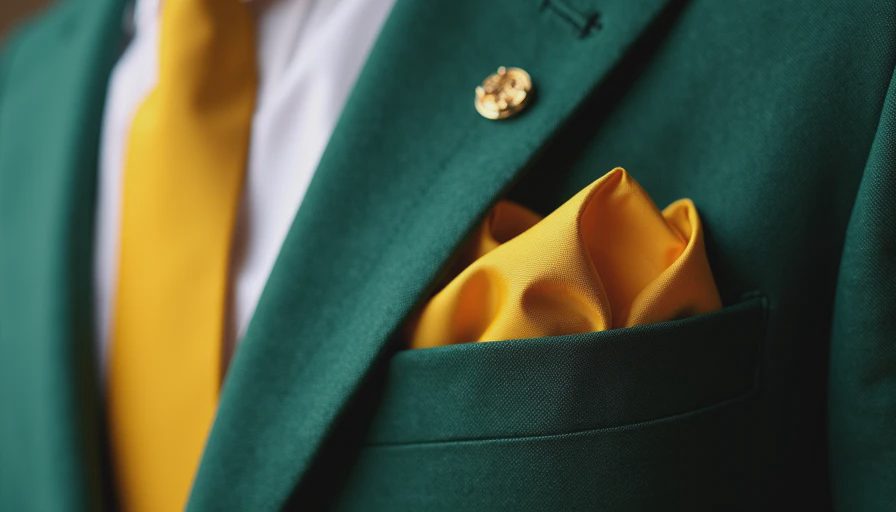
Dress It Down With Jeans and a Good Tee
The easiest way to wear a blazer on a normal Tuesday is with jeans. Not skinny jeans unless that's your thing, but a straight or wide-leg cut. Throw it over a simple white tee and some white sneakers, and you have an outfit that says 'I didn't try too hard, but I did try.' My personal formula: dark wash jeans, a slightly boxy tee from Madewell, and a blazer in a neutral like camel, navy, or olive. If you're not sure which color to start with, go with a warm camel. It works with everything in your closet and it doesn't scream 'business.' The trick is to skip the button. Leave it open, don't add a pocket square, and you're done. That's it. You can also swap the tee for a thin knit top when the weather turns. This is where the cost per wear math works in your favor — a good blazer at $200 worn once a week for a year costs less than $4 each time.
Make It Work for the Office Without Looking Boardroom-Boring
Here's where how to style a blazer usually gets overthought. You don't need a matching skirt or trouser. Pair your blazer with a pair of tailored pants in a different color, like a soft white, gray, or even a dark olive. Underneath, wear a silk shell or a simple short-sleeve blouse. Skip the button-up shirt if you can; it makes the whole look feel like a uniform. Add a pair of low block heels or a nice leather loafer. The beauty of this approach is that you can take the blazer off at five and still look good in the pants and top. I also like to tuck in the front of a loose blouse for a little shape without trying to look like a style influencer. The blazer gives you authority without the stiffness.
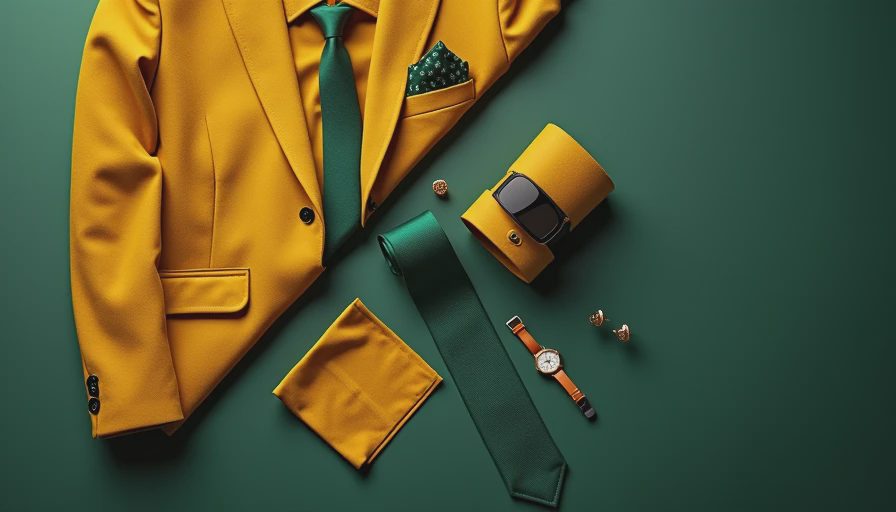
The Weekend Blazer: Over a Hoodie or a Knit
For Saturday, the blazer does the same job as a denim jacket. Throw it over a plain hoodie, some straight-leg jeans, and ankle boots. That's a city-ready outfit that's comfortable enough for running errands or sitting at a brewery patio. A slightly oversized blazer works best for this look. It gives the whole thing a relaxed vibe instead of a business-ambush feel. If the hoodie feels too casual, swap it for a thin turtleneck or a chunky knit. The layering adds warmth without making you look like you're dressed for a board meeting. This is where I use my older blazers that have softened up over the years. They've done the hard part already, so now they just look like second skins.
What to Avoid When Styling a Blazer
There are only a few real pitfalls. Don't wear a blazer with athletic shorts unless you're genuinely going for irony. Don't pick a blazer that's too tight across the bust — if the lapels bow out, the fit is wrong. And don't feel like you have to complete a "blazer outfit" with a matching heel and a stiff handbag. The whole point of learning how to style a blazer is that it works with your bag, your shoes, your normal life. If you're constantly adjusting it, something is off. The best blazer is the one you put on without thinking and then forget you're wearing. That's not a design feature; that's just good tailoring.
The Bottom Line
You don't need a wardrobe overhaul. You need one good blazer that fits, and a handful of everyday clothes to wear with it. The question isn't what to buy next. It's how to style a blazer in a way that matches the life you're actually living. Start with a neutral color, keep the rest of the outfit simple, and let the jacket do the talking. Wear it and go.


No notes yet — write the first one.