The Modern Interview Reality Check
If you’re staring at your closet wondering how to look professional after two years of couch-to-fridge commutes, you’re not alone. The shift back to in-person interviews (or even polished video calls) can feel intimidating after living in stretchy pants for so long.
As someone who left corporate life and now helps clients navigate these moments, I’ve developed a practical approach that feels authentic instead of costume-like.
Mindset First: You’re Not Starting from Zero
Your body hasn’t forgotten how to dress up. You’ve simply been prioritizing comfort. The goal isn’t to become a different person — it’s to present the most put-together version of your current self.
My Proven Interview Outfit Formula
The Safe-but-Modern Base
Tops:
A crisp but comfortable white or soft-colored button-down
A structured knit or lightweight blazer-friendly sweater
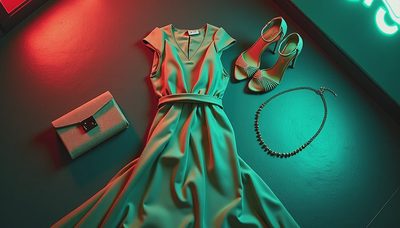
A simple sheath or wrap dress (if you prefer dresses)
Bottoms:
Tailored trousers or wide-leg pants with stretch
A pencil skirt or midi skirt with some give
Dark jeans only if the company culture is very casual (and even then, pair with a strong top)
Layers:
A tailored blazer or structured cardigan
A lightweight trench or jacket for Denver weather unpredictability
Shoes:
Clean leather sneakers or comfortable block-heel boots
Classic flats or low heels you can actually walk in
The “Haven’t Worn Real Pants” Transition Plan
Week Before the Interview
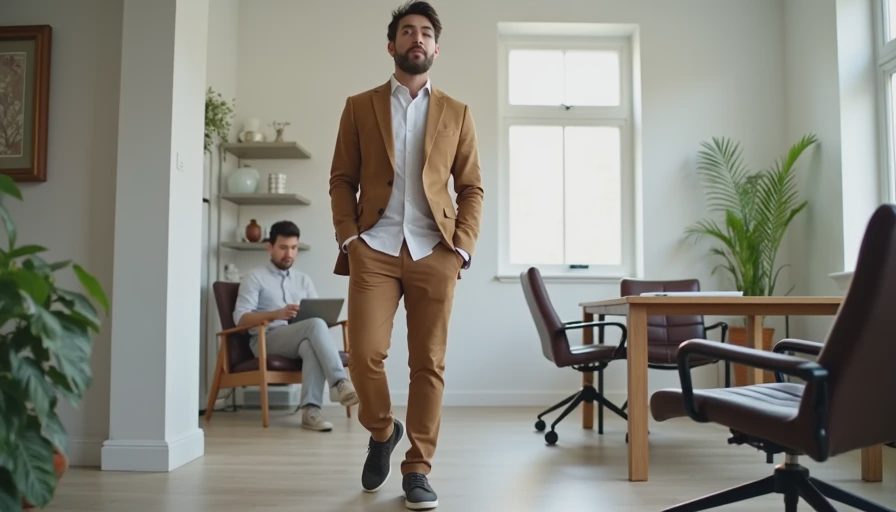
Start wearing your chosen bottoms around the house for a few hours each day. Your body needs time to readjust. Do some sitting, standing, and walking to break them in.
Day Before
Do a full dress rehearsal. Walk around, sit in different chairs, and practice answering questions. Note any pinching, riding up, or discomfort and adjust.
Interview Day Strategy
Choose comfort where it counts (breathable fabrics, good underwear, supportive shoes)
Bring a small “emergency kit”: lint roller, safety pins, extra hair ties, and blotting papers
Layer strategically for temperature changes
Denver-Specific Interview Tips
Our city is business-casual with a side of outdoor vibe. A blazer over a nice top with good pants or a dress usually hits the right note. Avoid anything too stiff or formal unless you’re interviewing at a very traditional company.
Check the company’s Instagram or LinkedIn for real employee photos. That will tell you more than any “dress code” page.
What Actually Matters Most
Fit Over Trends
A well-fitting outfit in neutral colors beats a trendy but ill-fitting one every time. Proper fit signals attention to detail and self-respect.
Authenticity Wins
Choose pieces that feel like you. If you never wear bright colors, don’t start on interview day. Confidence comes from feeling like yourself, just polished.
Grooming Details
Clean hair, good nails (doesn’t have to be polished — just neat), and fresh shoes make a bigger impression than expensive clothes.
Sample Interview Outfits That Work
Option 1 – Classic & Safe
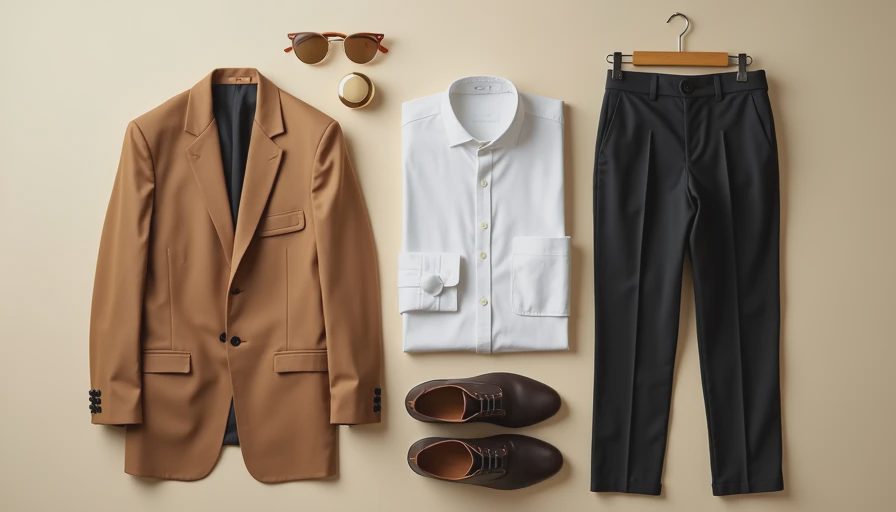
White button-down + tailored black trousers + camel blazer + leather sneakers
Option 2 – Creative/Modern
Wrap dress in a rich neutral + denim jacket + ankle boots
Option 3 – Video Interview Friendly
Structured knit sweater + ponte pants + statement necklace (great from the waist up)
Post-Interview Advice
Change back into comfortable clothes as soon as you get home. Celebrate the effort you made. Regardless of the outcome, showing up prepared is something to be proud of.
The Bigger Picture
Job interviews are just one day. Your wardrobe should support your life, not just this moment. Use this as an opportunity to add a few versatile “real world” pieces that will serve you beyond the interview process.
You’ve got real skills and experience. The clothes are just the frame — make sure they highlight the picture, not distract from it.
You’ve Got This
Two years of WFH doesn’t erase your professional abilities. Take a deep breath, choose clothes that make you feel capable, and go show them who you are.
The right opportunity will appreciate the real you — just with pants on.
Wear it and go. You’ve earned this next chapter.


No notes yet — write the first one.