On a good Denver morning, I want to be on the trail before Scout decides the whole city is his personal squirrel hunt. When I’m building hiking outfits women can live in, I start with one simple rule: nothing should need babysitting. You do not need a giant outdoor wardrobe or a fashion-magazine version of a mountain look. You need pieces that breathe, dry fast, move well, and still feel fine when you stop for coffee afterward.
The nice part is that most of the work is already done in your closet. A decent tee, leggings or lightweight pants, a layer that cuts wind, and shoes with real tread cover a lot of ground. The trick is choosing fabrics and fits that behave when you sweat, climb, sit on a rock, or throw your backpack in the car and forget about it until next weekend.
Hiking outfits women can build from what is already in the closet
Start with the base layer you already trust. A soft technical tee from Patagonia, REI Co-op, or Uniqlo Airism is better than a cotton T-shirt that gets clammy the second you hit an incline. If you like leggings, pick a pair with enough hold that you are not tugging at them every five minutes. Athleta Salutation, Lululemon Align, and Vuori Clean Elevation all live in the $89 to $128 range and do a good job of looking put together without feeling precious.
The best hiking outfits women reach for most often usually look pretty plain. That is the point. A black or olive legging, a heathered tee, and a light fleece will handle a lot more than a special-print set that only makes sense in a photo. If you prefer pants, try prAna Halle, Columbia Saturday Trail, or Madewell Utility Straight in a stretch fabric. The best one is the pair you forget about after mile one.
You can also cheat this with normal clothes that happen to work. A longline sports bra, a cropped puffer you already own, or a woven overshirt can pull double duty on an easy hike. I would rather see a clean, comfortable outfit from Old Navy, Gap, or Target than a head-to-toe technical setup that feels like costume dressing. Wear it and go.
Hiking outfits women need when the weather changes fast
For hiking outfits women should treat layers like insurance, not decoration. Mountain weather shifts quickly, and even a sunny front-range morning can turn windy by lunch. I always want three pieces in play: a breathable base, a midlayer that traps a little warmth, and a shell that blocks rain or gusts. Patagonia Torrentshell, REI Co-op Rainier, and Columbia Arcadia are all solid shells in the roughly $100 to $180 range, depending on sales.
If you only buy one extra piece beyond the base layer, make it a fleece or light insulated jacket. Patagonia Better Sweater, Nike fleece, or a simple half-zip from J.Crew Mercantile all make sense when the air is sharp but not winter-cold. For socks, I am loyal to Darn Tough and Smartwool because a good sock stops a lot of misery before it starts. Feet are not the place to save fifteen dollars.
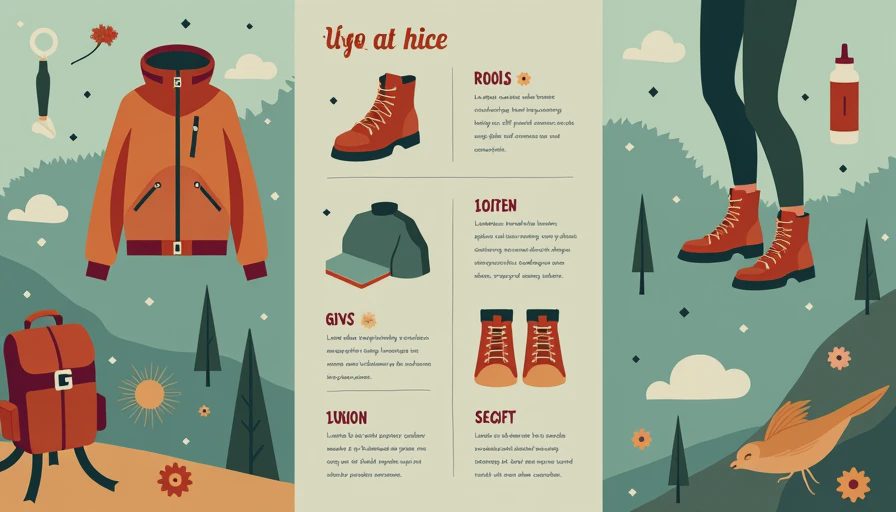
Shoes are the thing that turns a cute plan into a real hike. If you do mostly moderate trails, trail runners from Hoka, Salomon, or Altra usually feel lighter and less clunky than boots. If you want more ankle coverage or you tend to hike rocky terrain, Merrell Moab 3, Keen Targhee, and Salomon X Ultra are dependable places to look. A $140 to $170 pair that you wear 40 times costs less per outing than you think, especially if it keeps the whole day from getting ruined by hot spots.
Hiking outfits women can buy once and wear for years
The best hiking outfits women buy once usually start with the shoes, then the layer that gets worn every single trip, and only then the extras. If you are starting from scratch, spend first on footwear, then on a shell, then on socks. That order is boring, but boring is how you avoid wasting money on the pretty thing that stays in the closet.
Think in outfit formulas, not in one-off purchases. One formula is a moisture-wicking tee, shorts, a light shell, and trail runners for warm mornings. Another is a long-sleeve UPF shirt, leggings, a fleece, and low-profile shoes for cool shoulder-season days. A third is a thermal base layer, hiking pants, and a rain shell when the forecast looks moody. Once you have those three lanes covered, dressing gets easier fast.
I like hiking outfits women can mix without having to match too hard. Olive, black, navy, stone, and gray all play well together and make every piece more useful. A $60 top from REI, a $98 pair of leggings, and a $179 shell can look like a much bigger wardrobe if they all work together. That is the whole buyer trick: buy fewer things, but make each one earn its keep.
What matters on hot sun days and cold shoulder-season mornings
I like hiking outfits women can wear on a hot July morning without turning into a sweaty regret by 10 a.m. That means sun protection matters almost as much as style. A lightweight UPF shirt, a brimmed hat, sunglasses, and a packable layer can save you from the kind of hike where you spend the second half thinking about shade instead of the view. Columbia, prAna, and Outdoor Research all make pieces that do this job without looking overly sporty.
On the cooler side, do not ignore the small stuff. A thin beanie, gloves that fit in a pocket, and an insulated vest are the difference between a happy trail walk and a grumpy one. I also like high-rise waistbands and a little bit of compression because they stay put when you scramble or bend down to tie a shoe. If chafing is your nemesis, shorts with longer inseams and seamless underwear are worth every penny.

A simple shopping order that keeps your budget sane
If you want hiking outfits women will reach for again and again, buy in this order: shoes, socks, one good shell, one dependable midlayer, then two base layers and one bottom. That gives you a lot of mileage without clutter. It also keeps you from doing the classic thing where you own six cute tops and no pants that feel good on an actual incline.
From there, shop your life. If you hike once a month, you do not need the most premium version of everything. If you go every weekend, the math changes and the better shell or better shoe starts to make sense fast. Either way, choose pieces that feel like yourself, not like someone who lives in a catalog. The best gear is the stuff you grab without thinking. Wear it and go.




No notes yet — write the first one.