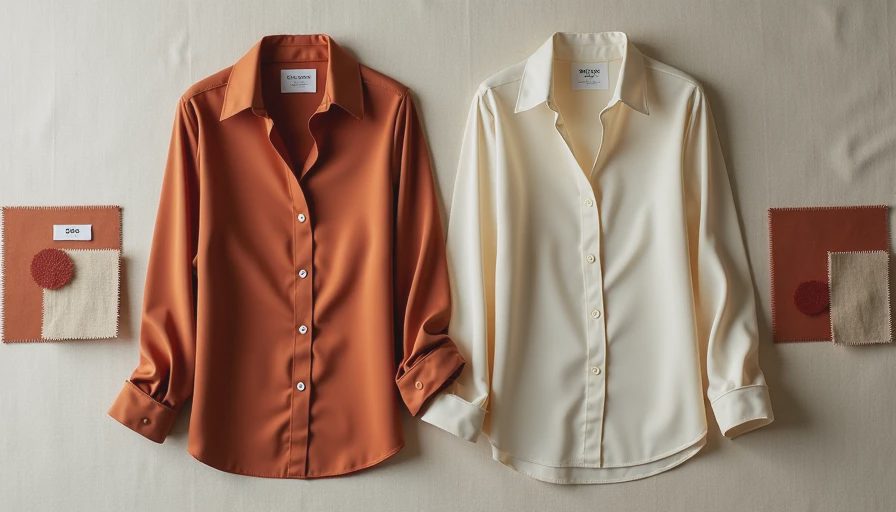
The Question I Used to Get Asked Every Day
“Why is this so expensive?”
I heard it hundreds of times during my seven years as a Nordstrom contemporary buyer. Customers would hold up two seemingly similar blouses and look at me with genuine confusion.
Today I’m finally answering that question with full honesty — no corporate filter, no marketing spin. Just the real math and details I learned behind the scenes.
Breaking Down the Real Cost of a $148 Blouse
Let’s take a typical $148 silk-blend blouse from a reputable contemporary brand. Here’s where that money actually goes:
Raw Materials & Fabric (≈ $18–28)
Higher-quality fabrics cost more. A good silk blend or premium cotton involves better yarns, tighter weaves, and often more sustainable or traceable sourcing. Cheap versions use thinner, weaker fibers that pill, wrinkle, and lose shape quickly.
Construction & Labor (≈ $25–45)
This is where the biggest differences hide. A $148 blouse typically features:
French seams or clean finished edges
Proper pattern matching at seams
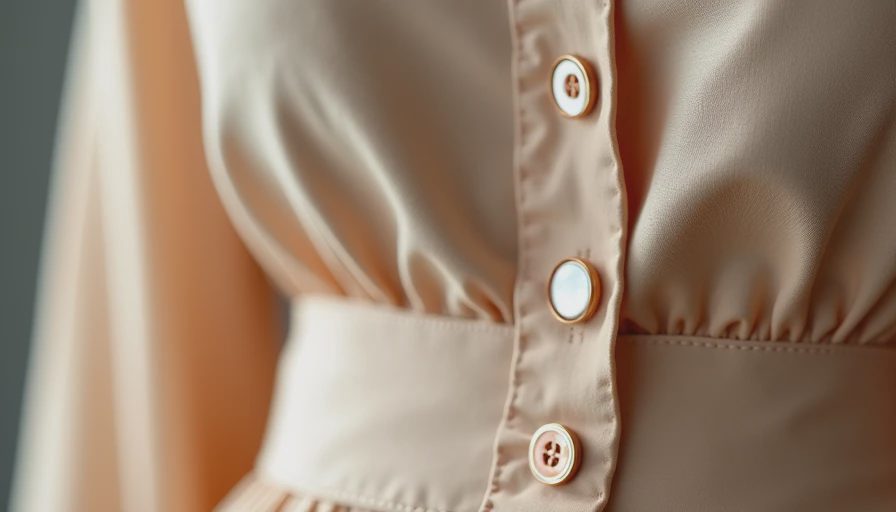
Quality buttons and buttonholes
Reinforcements at stress points
Hand-finished details
Cheaper versions cut corners here — single stitching, raw edges, plastic buttons, and rushed assembly.
Design, Sampling & Development (≈ $12–20 per unit amortized)
Creating a good garment involves multiple samples, fit adjustments, and testing. Brands that pay designers and patternmakers fairly build those costs into the price.
Shipping, Duties & Overhead (≈ $15–25)
Importing from better factories, fair labor practices, and proper quality control all add up.
Brand Margin & Retail Markup (the rest)
Retailers and brands need to cover marketing, rent, staff, returns, and profit. A healthy business model isn’t evil — it’s what keeps good products available.
What I Learned Touching Thousands of Garments
The difference you can’t always see in photos is massive in person.
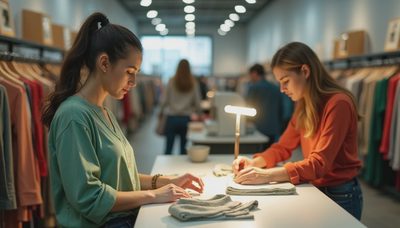
I could tell within 30 seconds of handling a garment whether it would hold up after 10 washes or fall apart after 3. The $148 blouse usually felt substantial, moved beautifully, and maintained its shape. The $48 version often felt flimsy, pulled at the seams, and looked tired quickly.
Red Flags That Scream “Too Cheap to Be Good”
Paper-thin fabric that wrinkles permanently
Skewed seams or poor pattern alignment
Cheap plastic buttons or zippers
Visible glue anywhere
Overly trendy details that won’t age well
No information about fabric origin or care
When Paying More Actually Makes Sense
There are times when the higher price is absolutely worth it:
Pieces you wear constantly (white shirts, good pants, blazers)
Items where construction really matters (jackets, structured pieces)
Natural fibers done well (wool, silk, quality cotton)
Brands with transparent supply chains
My cost-per-wear math still guides me: a $148 blouse I wear 40 times a year beats a $48 one I wear 8 times before it looks rough.
My Personal “Worth It” Framework
When evaluating a higher-priced piece, I ask:
Will I wear this at least 30 times in the next year?
Does the construction justify the price?
Does it solve a real gap in my wardrobe?
Would I still want it in two years?
If the answer is yes to most, I’m usually happy to invest.
The Middle Ground Most People Miss
There are fantastic options in the $80–$150 range that offer excellent value. The key is knowing what to look for:
Substantial fabric weight
Thoughtful construction details
Versatile styling potential
Reliable brand track record
What This Means for Your Shopping
You don’t need to spend more on everything. But understanding where the money goes helps you make better choices.
Sometimes the $148 blouse is the smarter buy because it lasts longer and makes you happier every time you wear it. Sometimes the $48 one is perfect for a trend you know won’t last.
The important part is buying with intention instead of just chasing the lowest price or the prettiest picture.
A Former Buyer’s Honest Advice
Don’t feel guilty for wanting quality. Your time, your comfort, and your confidence are worth investing in.
At the same time, don’t buy expensive things just because they’re expensive. Touch the fabric. Check the construction. Ask yourself if it solves a real need.
That $148 blouse? When it’s made well, it’s often the one that becomes your favorite — the piece you reach for again and again, feeling good every single time.
Wear it and go, friends. And when you do, you’ll know exactly why it was worth it.


No notes yet — write the first one.